


- Afhalen na 1 uur in een winkel met voorraad
- Gratis thuislevering in België vanaf € 30
- Ruim aanbod met 7 miljoen producten
- Afhalen na 1 uur in een winkel met voorraad
- Gratis thuislevering in België vanaf € 30
- Ruim aanbod met 7 miljoen producten





€ 193,45
+ 386 punten
Omschrijving
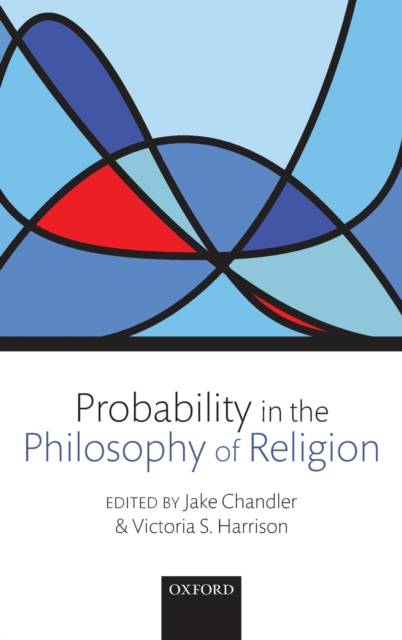
Probability theory promises to deliver an exact and unified foundation for inquiry in epistemology and philosophy of science. But philosophy of religion is also fertile ground for the application of probabilistic thinking. This volume presents original contributions from twelve contemporary researchers, both established and emerging, to offer a representative sample of the work currently being carried out in this potentially rich field of inquiry. Grouped into five parts, the chapters span a broad range of traditional issues in religious epistemology. The first three parts discuss the evidential impact of various considerations that have been brought to bear on the question of the existence of God. These include witness reports of the occurrence of miraculous events, the existence of complex biological adaptations, the apparent 'fine-tuning' for life of various physical constants and the existence of seemingly unnecessary evil. The fourth part addresses a number of issues raised by Pascal's famous pragmatic argument for theistic belief. A final part offers probabilistic perspectives on the rationality of faith and the epistemic significance of religious disagreement.
Specificaties
Betrokkenen
- Auteur(s):
- Uitgeverij:
Inhoud
- Aantal bladzijden:
- 262
- Taal:
- Engels
Eigenschappen
- Productcode (EAN):
- 9780199604760
- Verschijningsdatum:
- 18/06/2012
- Uitvoering:
- Hardcover
- Formaat:
- Genaaid
- Afmetingen:
- 155 mm x 236 mm
- Gewicht:
- 566 g


Alleen bij Standaard Boekhandel
+ 386 punten op je klantenkaart van Standaard Boekhandel
Cadeau

AANGERADEN


Beoordelingen
We publiceren alleen reviews die voldoen aan de voorwaarden voor reviews. Bekijk onze voorwaarden voor reviews.