


- Afhalen na 1 uur in een winkel met voorraad
- Gratis thuislevering in België vanaf € 30
- Ruim aanbod met 7 miljoen producten
- Afhalen na 1 uur in een winkel met voorraad
- Gratis thuislevering in België vanaf € 30
- Ruim aanbod met 7 miljoen producten




Omschrijving
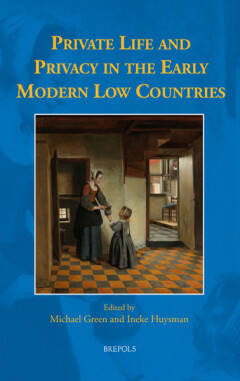
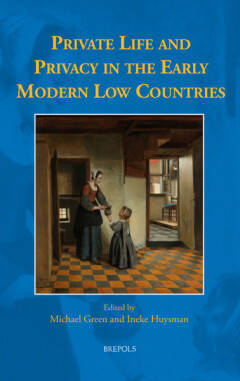
This volume investigates the origins of one of the most important notions of the contemporary society: privacy. Based on case studies from the early modern Low Countries, privacy is tackled from various historical perspectives: social and cultural history, and the history of art and architecture. The Dutch Republic is well-known for its financial success, which went hand in hand with the development of a distinguished bourgeois culture and religious toleration. The accumulation of wealth among the urban population led to changes in various spheres, from daily life to art. Privacy, as a concept, start to develop in this period. Indeed, new ideas about housing with the invention of corridors, separate rooms that could be locked, and the separation of the 'common' and the 'private' space, all illustrate the growing importance of privacy in this geographical area. In this volume, we trace perspectives on early modern privacy and private life based on primary sources in several domains: letters, diaries, and poems; genre painting in art; communal life as illustrated by the Jewish community; and finally, the homes of the Dutch elite. The essays in this volume make a key contribution to the emergence of early modern privacy studies as a research field, and to the ongoing discussion of privacy in the Low Countries. Equally, these case studies can serve as models for the analysis of privacy in other European contexts.
Specificaties
Betrokkenen
- Auteur(s):
- Uitgeverij:
Inhoud
- Aantal bladzijden:
- 316
- Taal:
- Engels
- Reeks:
- Reeksnummer:
- nr. 19
Eigenschappen
- Productcode (EAN):
- 9782503604442
- Verschijningsdatum:
- 7/09/2023
- Uitvoering:
- Hardcover
- Formaat:
- Genaaid
- Afmetingen:
- 160 mm x 239 mm
- Gewicht:
- 739 g


Alleen bij Standaard Boekhandel
+ 212 punten op je klantenkaart van Standaard Boekhandel
AANGERADEN


Beoordelingen
We publiceren alleen reviews die voldoen aan de voorwaarden voor reviews. Bekijk onze voorwaarden voor reviews.