


- Afhalen na 1 uur in een winkel met voorraad
- Gratis thuislevering in België vanaf € 30
- Ruim aanbod met 7 miljoen producten
- Afhalen na 1 uur in een winkel met voorraad
- Gratis thuislevering in België vanaf € 30
- Ruim aanbod met 7 miljoen producten





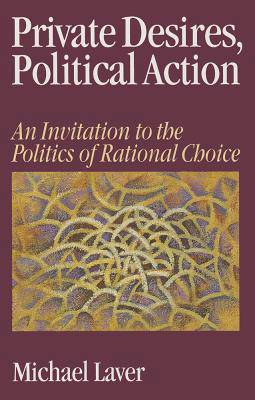
Private Desires, Political Action
An Invitation to the Politics of Rational Choice
Michael Laver
Hardcover | Engels
€ 337,45
+ 674 punten
Omschrijving
Private Desires, Political Action is an accessible overview of one of the most important approaches to the study of politics in the modern worldùrational choice theory. Michael Laver does not set out to review this entire field, but rather to discuss how we might use rational choice theory to analyze the political competition that affects almost every aspect of our lives. The comprehensive and broad-ranging scope of the book introduces the theory at many levels of analysis, including the private desires of individuals, the social context of how people fulfill their desires and the problems of collective action. The discussion of these issues extends into the arena of politics and explores the activities of "political entrepreneurs"(or politicians) and the formation of political parties and coalitions. Private Desires, Political Action provides a masterly and exceptionally clear survey of this fast expanding and challenging field of political science. LaverÆs elegant and witty prose is enriched throughout by vivid examples illustrating themes and points of discussion. This book will be invaluable reading for students and researchers alike in the fields of political science and political theory.
Specificaties
Betrokkenen
- Auteur(s):
- Uitgeverij:
Inhoud
- Aantal bladzijden:
- 176
- Taal:
- Engels
Eigenschappen
- Productcode (EAN):
- 9780761951148
- Verschijningsdatum:
- 5/05/1997
- Uitvoering:
- Hardcover
- Formaat:
- Genaaid
- Afmetingen:
- 157 mm x 236 mm
- Gewicht:
- 408 g


Alleen bij Standaard Boekhandel
+ 674 punten op je klantenkaart van Standaard Boekhandel
Cadeau

AANGERADEN


Beoordelingen
We publiceren alleen reviews die voldoen aan de voorwaarden voor reviews. Bekijk onze voorwaarden voor reviews.