


- Afhalen na 1 uur in een winkel met voorraad
- Gratis thuislevering in België vanaf € 30
- Ruim aanbod met 7 miljoen producten
- Afhalen na 1 uur in een winkel met voorraad
- Gratis thuislevering in België vanaf € 30
- Ruim aanbod met 7 miljoen producten





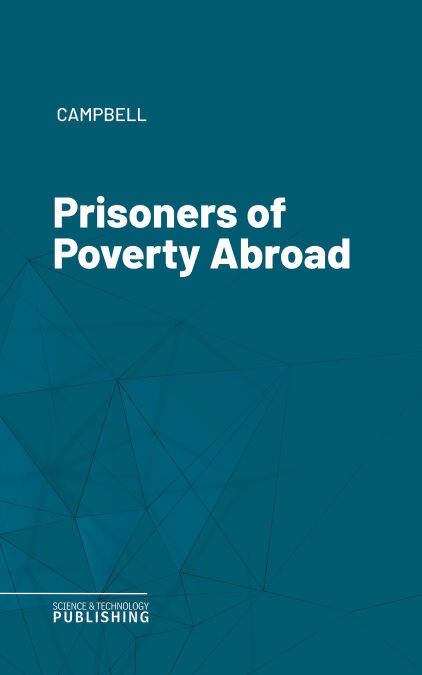
Omschrijving
Prisoners of Poverty Abroad by Helen Campbell is a compelling and meticulously researched exploration of the lives of working women in Europe during the late nineteenth century. Building upon her earlier work, Prisoners of Poverty, which focused on the struggles of women wage-earners in America, Campbell extends her investigation to the industrial centers of England, France, Germany, and Switzerland. Through firsthand observation, interviews, and detailed case studies, she exposes the harsh realities faced by women laborers—long hours, meager wages, unsafe working conditions, and the constant threat of destitution. The book delves into the daily existence of seamstresses, factory workers, domestic servants, and other women whose labor underpinned the economic growth of their nations but who remained marginalized and voiceless. Campbell’s narrative is rich with vivid descriptions and personal stories, highlighting both the resilience and the suffering of these women. She draws attention to the systemic injustices and societal indifference that perpetuate their poverty, while also examining the efforts of reformers, trade unions, and charitable organizations striving to improve their conditions. Prisoners of Poverty Abroad is not only a work of social documentation but also a passionate call for reform. Campbell’s empathetic voice and unwavering commitment to social justice shine through as she advocates for fair wages, better working conditions, and greater recognition of women’s contributions to society. The book remains a significant historical document, offering invaluable insights into the gendered dimensions of labor and poverty in nineteenth-century Europe, and continues to resonate with readers concerned about social inequality and the rights of working women.
Specificaties
Betrokkenen
- Auteur(s):
- Uitgeverij:
Inhoud
- Taal:
- Engels
Eigenschappen
- Productcode (EAN):
- 9782528105320
- Verschijningsdatum:
- 31/08/2025
- Uitvoering:
- E-book
- Formaat:
- ePub


Alleen bij Standaard Boekhandel
+ 19 punten op je klantenkaart van Standaard Boekhandel
Cadeau

AANGERADEN


Beoordelingen
We publiceren alleen reviews die voldoen aan de voorwaarden voor reviews. Bekijk onze voorwaarden voor reviews.