


- Afhalen na 1 uur in een winkel met voorraad
- Gratis thuislevering in België vanaf € 30
- Ruim aanbod met 7 miljoen producten
- Afhalen na 1 uur in een winkel met voorraad
- Gratis thuislevering in België vanaf € 30
- Ruim aanbod met 7 miljoen producten





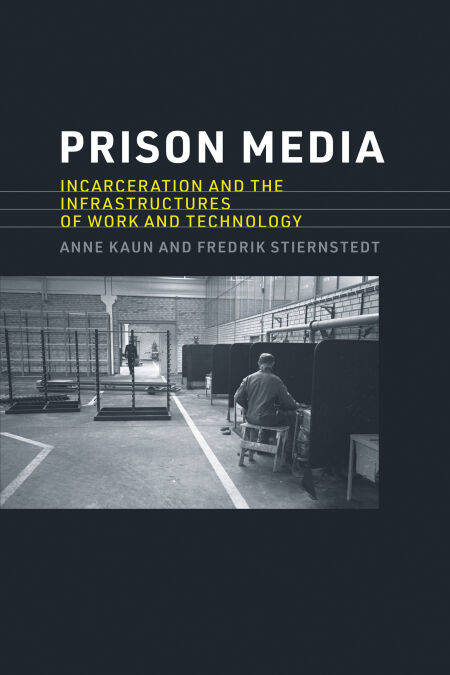
Prison Media E-BOOK
Incarceration and the Infrastructures of Work and Technology
Anne Kaun, Fredrik Stiernstedt
E-book | Engels
€ 34,49
+ 34 punten
Omschrijving
How prisoners serve as media laborers, while the prison serves as a testing ground for new media technologies.
Prisons are not typically known for cutting-edge media technologies. Yet from photography in the nineteenth century to AI-enhanced tracking cameras today, there is a long history of prisons being used as a testing ground for technologies that are later adopted by the general public. If we recognize the prison as a central site for the development of media technologies, how might that change our understanding of both media systems and carceral systems? Prison Media foregrounds the ways in which the prison is a model space for the control and transmission of information, a place where media is produced, and a medium in its own right.
Examining the relationship between media and prison architecture, as surveillance and communication technologies are literally built into the facilities, this study also considers the ways in which prisoners themselves often do hard labor as media workers—labor that contributes in direct and indirect ways to the latest technologies developed and sold by multinational corporations like Amazon. There is a fine line between ankle monitors and Fitbits, and Prison Media helps us make sense of today’s carceral society.
Prisons are not typically known for cutting-edge media technologies. Yet from photography in the nineteenth century to AI-enhanced tracking cameras today, there is a long history of prisons being used as a testing ground for technologies that are later adopted by the general public. If we recognize the prison as a central site for the development of media technologies, how might that change our understanding of both media systems and carceral systems? Prison Media foregrounds the ways in which the prison is a model space for the control and transmission of information, a place where media is produced, and a medium in its own right.
Examining the relationship between media and prison architecture, as surveillance and communication technologies are literally built into the facilities, this study also considers the ways in which prisoners themselves often do hard labor as media workers—labor that contributes in direct and indirect ways to the latest technologies developed and sold by multinational corporations like Amazon. There is a fine line between ankle monitors and Fitbits, and Prison Media helps us make sense of today’s carceral society.
Specificaties
Betrokkenen
- Auteur(s):
- Uitgeverij:
Inhoud
- Aantal bladzijden:
- 208
- Taal:
- Engels
Eigenschappen
- Productcode (EAN):
- 9780262374330
- Verschijningsdatum:
- 8/05/2023
- Uitvoering:
- E-book
- Beveiligd met:
- Adobe DRM
- Formaat:
- ePub


Alleen bij Standaard Boekhandel
+ 34 punten op je klantenkaart van Standaard Boekhandel
Cadeau

AANGERADEN


Beoordelingen
We publiceren alleen reviews die voldoen aan de voorwaarden voor reviews. Bekijk onze voorwaarden voor reviews.