


- Afhalen na 1 uur in een winkel met voorraad
- Gratis thuislevering in België vanaf € 30
- Ruim aanbod met 7 miljoen producten
- Afhalen na 1 uur in een winkel met voorraad
- Gratis thuislevering in België vanaf € 30
- Ruim aanbod met 7 miljoen producten




€ 11,45
+ 22 punten
Omschrijving
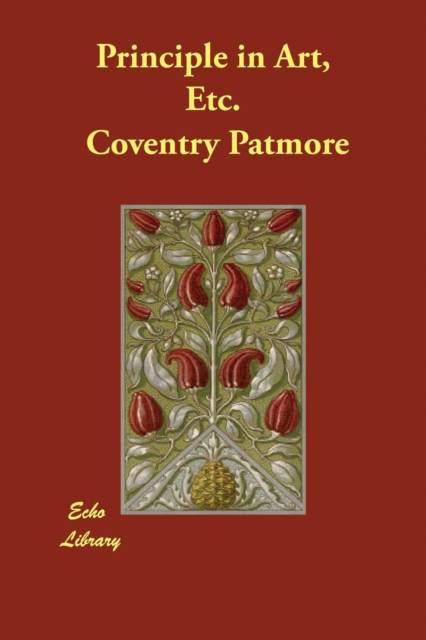
Patmore (1823-96) was an English poet and critic best known for The Angel in the House, his narrative poem about an ideal happy marriage. He had early aspirations to become an artist and then a poet but his father's financial embarassment led to him accepting a post as assistant in the printed books department of the British Museum which he held for 19 years, writing poetry in his spare time. The publication of an early collection of poems resulted in an introduction to the Pre-Raphaelite Botherhood and he contributed a poem to their journal The Germ. After some success with his poetical works he turned to criticism, many of his essays appearing in the St James's Gazette. This collection of essays is reprinted from an edition of 1889.
Specificaties
Betrokkenen
- Auteur(s):
- Uitgeverij:
Inhoud
- Aantal bladzijden:
- 100
- Taal:
- Engels
Eigenschappen
- Productcode (EAN):
- 9781406888935
- Verschijningsdatum:
- 18/07/2018
- Uitvoering:
- Paperback
- Formaat:
- Trade paperback (VS)
- Afmetingen:
- 152 mm x 229 mm
- Gewicht:
- 158 g


Alleen bij Standaard Boekhandel
+ 22 punten op je klantenkaart van Standaard Boekhandel
CADEAU

AANGERADEN


Beoordelingen
We publiceren alleen reviews die voldoen aan de voorwaarden voor reviews. Bekijk onze voorwaarden voor reviews.