


- Afhalen na 1 uur in een winkel met voorraad
- Gratis thuislevering in België vanaf € 30
- Ruim aanbod met 7 miljoen producten
- Afhalen na 1 uur in een winkel met voorraad
- Gratis thuislevering in België vanaf € 30
- Ruim aanbod met 7 miljoen producten





€ 121,45
+ 242 punten
Omschrijving
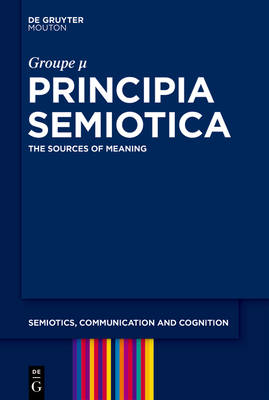
There are many theories of meaning. Most of them are descriptive and do not answer the question of what meaning is and how and why it arises. This book answers these questions. To paraphrase Leibniz's famous phrase, it asks why there is meaning rather than nothing. Its originality lies in showing that meaning comes from the senses, and so it emphasises the bodiliness of semiosis, making use of advances in the cognitive sciences, in a unified theoretical framework in which meaning emerges from the physical world. This all-encompassing vision has been made possible because the author - who is not an isolated person but a collective - has a long history of interdisciplinary work. Groupe µ is a leading research team based at the University of Liège (Belgium). For over fifty years, it has been at the forefront of transdisciplinary work in rhetoric, semiotics and the theory of communication, whether linguistic or visual. From Rhétorique Générale (1970), a classic translated into some twenty languages and hailed by the journal Sciences humaines as one of the most important books of the twentieth century, to Nouveau traité du signe visuel (2026), which provides a general grammar of the image, whether figurative or not, its collectively authored works have all represented decisive advances for these disciplines.
Specificaties
Betrokkenen
- Auteur(s):
- Uitgeverij:
Inhoud
- Aantal bladzijden:
- 404
- Taal:
- Engels
- Reeks:
- Reeksnummer:
- nr. 44
Eigenschappen
- Productcode (EAN):
- 9783111704517
- Verschijningsdatum:
- 2/02/2026
- Uitvoering:
- Hardcover
- Formaat:
- Genaaid
- Afmetingen:
- 156 mm x 234 mm
- Gewicht:
- 739 g


Alleen bij Standaard Boekhandel
+ 242 punten op je klantenkaart van Standaard Boekhandel
AANGERADEN


Beoordelingen
We publiceren alleen reviews die voldoen aan de voorwaarden voor reviews. Bekijk onze voorwaarden voor reviews.