


- Afhalen na 1 uur in een winkel met voorraad
- Gratis thuislevering in België vanaf € 30
- Ruim aanbod met 7 miljoen producten
- Afhalen na 1 uur in een winkel met voorraad
- Gratis thuislevering in België vanaf € 30
- Ruim aanbod met 7 miljoen producten





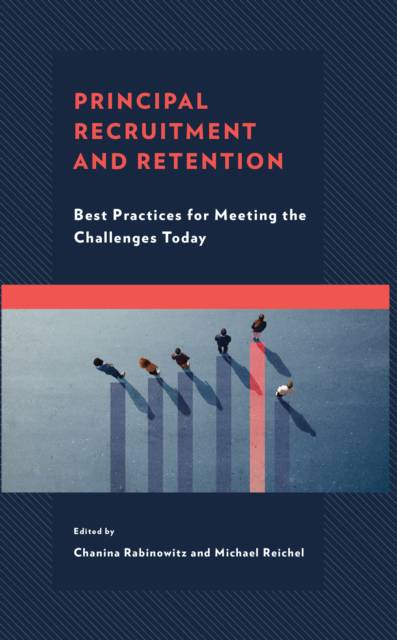
Principal Recruitment and Retention
Best Practices for Meeting the Challenges Today
€ 59,45
+ 118 punten
Omschrijving
Every year, an average of 20% of schools replace their principals. This book will inform and enhance the process of recruiting new personnel with its insights and practical suggestions for a successful search. This book also offers current thinking and research to help school boards and policy makers retain the professional leaders they have. This book is a must-read for principals and board members alike. While the departure of ineffective principals can be beneficial for schools, frequent turnover negatively impacts students' achievements. Today, when effective and powerful educational leadership is critical for quality teaching and student achievement, the numbers of principal candidates are diminishing and of incumbents waning. This book explores the central issues of principal development, appointment, and retention policies and practices. Its chapters ask what school boards, policymakers, and principals can do to ensure accountability, transparency, responsiveness, stability, equity, and inclusiveness to assure the longevity of school leaders within the system. Principal Recruitment and Retention presents the research findings of seventeen international scholars in the field over ten chapters. These scholars survey their respective situations from their home countries of United States of America, New Zealand, Israel and Turkey. The problems are similar; the solutions will be edifying.
Specificaties
Betrokkenen
- Uitgeverij:
Inhoud
- Aantal bladzijden:
- 162
- Taal:
- Engels
- Reeks:
Eigenschappen
- Productcode (EAN):
- 9781475866490
- Verschijningsdatum:
- 26/08/2023
- Uitvoering:
- Paperback
- Formaat:
- Trade paperback (VS)
- Afmetingen:
- 152 mm x 229 mm
- Gewicht:
- 244 g


Alleen bij Standaard Boekhandel
+ 118 punten op je klantenkaart van Standaard Boekhandel
Cadeau

AANGERADEN


Beoordelingen
We publiceren alleen reviews die voldoen aan de voorwaarden voor reviews. Bekijk onze voorwaarden voor reviews.