


- Afhalen na 1 uur in een winkel met voorraad
- Gratis thuislevering in België vanaf € 30
- Ruim aanbod met 7 miljoen producten
- Afhalen na 1 uur in een winkel met voorraad
- Gratis thuislevering in België vanaf € 30
- Ruim aanbod met 7 miljoen producten





Omschrijving
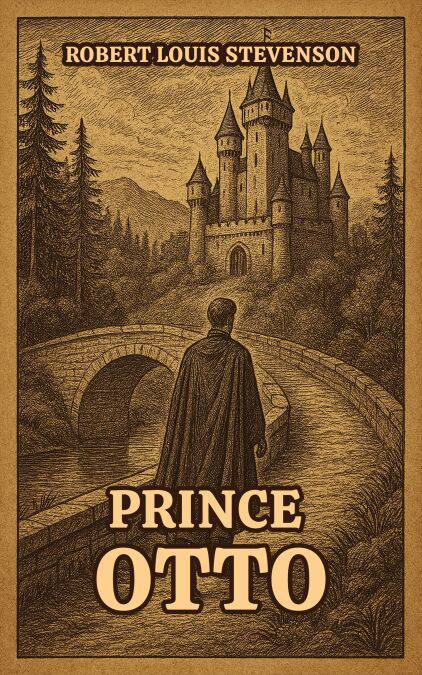
Prince Otto by Robert Louis Stevenson is a graceful and subtly satirical novel that blends romance, political intrigue, and philosophical reflection. Set in the fictional German state of Grünewald, the story offers a thoughtful exploration of leadership, personal responsibility, and the quiet struggles of the human heart.
Prince Otto, the ruler of Grünewald, is a gentle and idealistic man—more inclined toward poetry, reflection, and peace than the hard demands of power. His reluctance to assert authority places both his throne and his marriage to the strong-willed Princess Seraphina in jeopardy. As political conspiracies unfold and tensions rise within the court, Otto is forced to confront the consequences of passivity and the true meaning of duty.
Through refined prose and understated drama, Stevenson examines the contrast between appearance and reality, strength and gentleness, action and contemplation. The novel's humor is subtle, its emotions restrained yet deeply felt, and its characters shaped by moral complexity rather than grand heroics.
Prince Otto is less a tale of battles and spectacle than a quiet study of character—an intimate portrait of a man learning that moral courage can be as demanding as physical bravery. With its elegant style and reflective tone, the novel stands as a distinctive work within Stevenson's literary canon, appealing to readers who appreciate classic fiction enriched with wit, psychological insight, and philosophical depth.
This is a timeless story about love, governance, and the cost of choosing conscience over convention.
Prince Otto, the ruler of Grünewald, is a gentle and idealistic man—more inclined toward poetry, reflection, and peace than the hard demands of power. His reluctance to assert authority places both his throne and his marriage to the strong-willed Princess Seraphina in jeopardy. As political conspiracies unfold and tensions rise within the court, Otto is forced to confront the consequences of passivity and the true meaning of duty.
Through refined prose and understated drama, Stevenson examines the contrast between appearance and reality, strength and gentleness, action and contemplation. The novel's humor is subtle, its emotions restrained yet deeply felt, and its characters shaped by moral complexity rather than grand heroics.
Prince Otto is less a tale of battles and spectacle than a quiet study of character—an intimate portrait of a man learning that moral courage can be as demanding as physical bravery. With its elegant style and reflective tone, the novel stands as a distinctive work within Stevenson's literary canon, appealing to readers who appreciate classic fiction enriched with wit, psychological insight, and philosophical depth.
This is a timeless story about love, governance, and the cost of choosing conscience over convention.
Specificaties
Betrokkenen
- Auteur(s):
- Uitgeverij:
Inhoud
- Aantal bladzijden:
- 205
- Taal:
- Frans
Eigenschappen
- Productcode (EAN):
- 9789082687583
- Verschijningsdatum:
- 7/02/2026
- Uitvoering:
- E-book
- Beveiligd met:
- Digital watermarking
- Formaat:
- ePub


Alleen bij Standaard Boekhandel
Cadeau

AANGERADEN


Beoordelingen
We publiceren alleen reviews die voldoen aan de voorwaarden voor reviews. Bekijk onze voorwaarden voor reviews.