


- Afhalen na 1 uur in een winkel met voorraad
- Gratis thuislevering in België vanaf € 30
- Ruim aanbod met 7 miljoen producten
- Afhalen na 1 uur in een winkel met voorraad
- Gratis thuislevering in België vanaf € 30
- Ruim aanbod met 7 miljoen producten





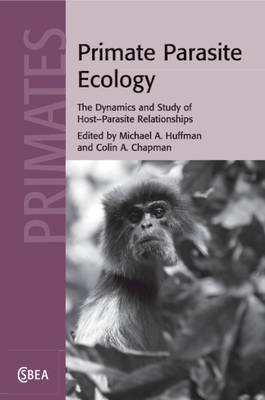
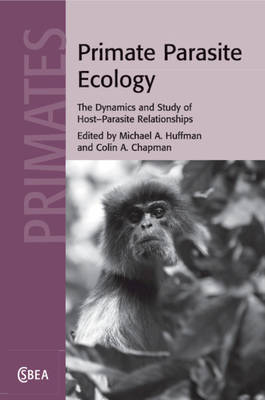
Primate Parasite Ecology
The Dynamics and Study of Host-Parasite Relationships
€ 98,45
+ 196 punten
Omschrijving
Anyone who has spent an extended period in the tropics has an idea, through caring for others or first-hand experience, just what it is like to be a primate parasite host. Monkeys and apes often share parasites with humans, for example the HIV viruses which evolved from related viruses of chimpanzees and sooty mangabeys, and so understanding the ecology of infectious diseases in non-human primates is of paramount importance. Furthermore, there is accumulating evidence that environmental change may promote contact between humans and non-human primates and increase the possibility of sharing infectious disease. Written for academic researchers, this book addresses these issues and provides up-to-date information on the methods of study, natural history and ecology/theory of the exciting field of primate parasite ecology.
Specificaties
Betrokkenen
- Uitgeverij:
Inhoud
- Aantal bladzijden:
- 547
- Taal:
- Engels
- Reeks:
- Reeksnummer:
- nr. 57
Eigenschappen
- Productcode (EAN):
- 9781108829403
- Verschijningsdatum:
- 25/06/2020
- Uitvoering:
- Paperback
- Formaat:
- Trade paperback (VS)
- Afmetingen:
- 152 mm x 229 mm
- Gewicht:
- 725 g

Alleen bij Standaard Boekhandel
+ 196 punten op je klantenkaart van Standaard Boekhandel
Cadeau

AANGERADEN


Beoordelingen
We publiceren alleen reviews die voldoen aan de voorwaarden voor reviews. Bekijk onze voorwaarden voor reviews.