


- Afhalen na 1 uur in een winkel met voorraad
- Gratis thuislevering in België vanaf € 30
- Ruim aanbod met 7 miljoen producten
- Afhalen na 1 uur in een winkel met voorraad
- Gratis thuislevering in België vanaf € 30
- Ruim aanbod met 7 miljoen producten





€ 55,95
+ 111 punten
Uitvoering
Omschrijving
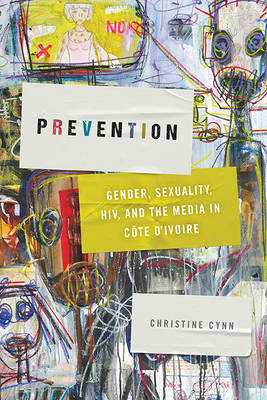
Approximately 70% of the global total of people living with HIV/AIDS in 2016 were in sub-Saharan Africa. After delayed governmental responses, the media has been consistently deployed as an essential tool for prevention. But HIV prevention campaigns reflect multiple conflicting and shifting agendas that encompass far more than the imparting of information about how to limit the spread of the virus. In Prevention: Gender, Sexuality, HIV, and the Media in Côte d'Ivoire, Christine Cynn draws from postcolonial, queer, and feminist film and media studies to critique global HIV prevention efforts and how they attempt to reshape gendered sexualities and notions of family in line with the rationality of neoliberalism.
More specifically, Cynn argues that through the bolstering of normative conceptions of gendered sexualities and families, HIV prevention media campaigns seek to actively create proper subjects, a goal corresponding with nation-building projects and reproducing their terms of belonging. During periods of increasingly virulent political and economic struggles in Côte d'Ivoire, such HIV prevention messages have lent support to lender- and state-mandated structural adjustment policies and to the exclusionary logic that casts some--such as those suffering from AIDS-related illnesses, those labeled as "homosexual," sex workers, intravenous drug users, and the HIV-positive child--as implicitly unassimilable to the community and nation. Deeply interdisciplinary, Prevention brings to light new forms of exclusion and expands scholarship on gender and sexual normativities as it intersects with that on public health, neoliberalism, and film and media.
More specifically, Cynn argues that through the bolstering of normative conceptions of gendered sexualities and families, HIV prevention media campaigns seek to actively create proper subjects, a goal corresponding with nation-building projects and reproducing their terms of belonging. During periods of increasingly virulent political and economic struggles in Côte d'Ivoire, such HIV prevention messages have lent support to lender- and state-mandated structural adjustment policies and to the exclusionary logic that casts some--such as those suffering from AIDS-related illnesses, those labeled as "homosexual," sex workers, intravenous drug users, and the HIV-positive child--as implicitly unassimilable to the community and nation. Deeply interdisciplinary, Prevention brings to light new forms of exclusion and expands scholarship on gender and sexual normativities as it intersects with that on public health, neoliberalism, and film and media.
Specificaties
Betrokkenen
- Auteur(s):
- Uitgeverij:
Inhoud
- Aantal bladzijden:
- 258
- Taal:
- Engels
- Reeks:
Eigenschappen
- Productcode (EAN):
- 9780814254981
- Verschijningsdatum:
- 16/11/2018
- Uitvoering:
- Paperback
- Formaat:
- Trade paperback (VS)
- Afmetingen:
- 152 mm x 229 mm
- Gewicht:
- 381 g


Alleen bij Standaard Boekhandel
+ 111 punten op je klantenkaart van Standaard Boekhandel
CADEAU

AANGERADEN


Beoordelingen
We publiceren alleen reviews die voldoen aan de voorwaarden voor reviews. Bekijk onze voorwaarden voor reviews.