


- Afhalen na 1 uur in een winkel met voorraad
- Gratis thuislevering in België vanaf € 30
- Ruim aanbod met 7 miljoen producten
- Afhalen na 1 uur in een winkel met voorraad
- Gratis thuislevering in België vanaf € 30
- Ruim aanbod met 7 miljoen producten





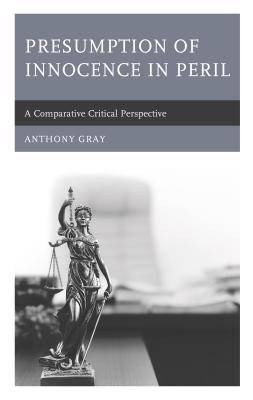
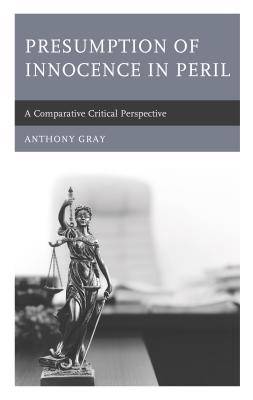
Presumption of Innocence in Peril
A Comparative Critical Perspective
Anthony Gray
Hardcover | Engels
€ 203,95
+ 407 punten
Omschrijving
This book explains the historical significance and introduction of the presumption of innocence into common law legal systems. It explains that the presumption should be seen as reflecting notions of moral comfort around judgment of others. Specifically, when one is asked to make a judgment about the guilt or otherwise of a person accused of wrongdoing, the default position should be to do nothing. This reflects the very serious consequences of what we do when we decide someone is guilty of wrongdoing and is not a step to be taken lightly. Traditionally, decision makers have only taken it when they are morally comfortable with that decision. It then documents how legislators in a range of common law jurisdictions have undermined the presumption of innocence, through measures such as reverse onus provisions, allowing or requiring inferences to be made against an accused, redefining offenses and defenses in novel ways to minimize the burden on the prosecutor, and by dressing proceedings as civil when they are in substance criminal. Courts have too easily acceded to such measures, in the process permitting accused persons to be convicted although there is reasonable doubt as to their guilt, and where they are not guilty of sufficiently blameworthy conduct to attract criminal sanction. It finds that the courts must be prepared to re-assert the prime importance of the presumption of innocence, only permitting criminal sanctions to be imposed where they are morally certain that the accused did that of which they have been accused, and morally comfortable that the conduct being addressed is worthy of the kind of criminal sanction which prosecutors seek to impose. Courts must be morally comfortable about the finding of guilt, and the imposition of the criminal penalty in a given case. They have lost sight of this moral underpinning to criminal law process and substance, and it must be regained.
Specificaties
Betrokkenen
- Auteur(s):
- Uitgeverij:
Inhoud
- Aantal bladzijden:
- 208
- Taal:
- Engels
Eigenschappen
- Productcode (EAN):
- 9781498554107
- Verschijningsdatum:
- 8/11/2017
- Uitvoering:
- Hardcover
- Formaat:
- Genaaid
- Afmetingen:
- 577 mm x 231 mm
- Gewicht:
- 439 g


Alleen bij Standaard Boekhandel
+ 407 punten op je klantenkaart van Standaard Boekhandel
Cadeau

AANGERADEN


Beoordelingen
We publiceren alleen reviews die voldoen aan de voorwaarden voor reviews. Bekijk onze voorwaarden voor reviews.