


- Afhalen na 1 uur in een winkel met voorraad
- Gratis thuislevering in België vanaf € 30
- Ruim aanbod met 7 miljoen producten
- Afhalen na 1 uur in een winkel met voorraad
- Gratis thuislevering in België vanaf € 30
- Ruim aanbod met 7 miljoen producten





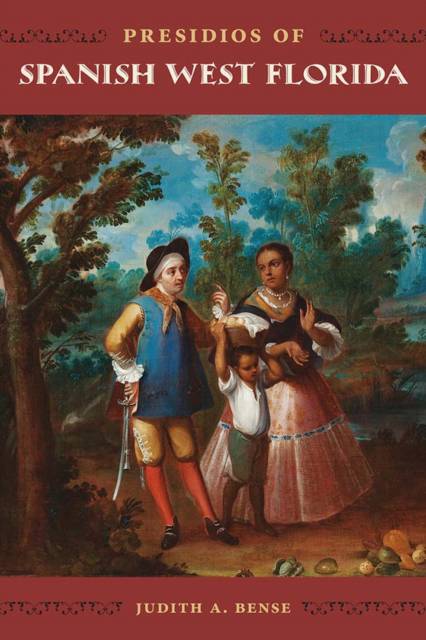
Presidios of Spanish West Florida
Judith A Bense
€ 137,45
+ 274 punten
Omschrijving
Presidios of Spanish West Florida provides the first comprehensive synthesis of historical and archaeological investigations conducted at the fortified settlements built by Spain in the Florida panhandle from 1698 to 1763. Combining intensive research by author Judith Bense, a lifelong specialist on the Spanish West Florida period, with a century's worth of additional data, this landmark study brings to light four presidio locations that have long been overshadowed by the presidio at St. Augustine to the east, revealing the rest of the story of early Spanish Florida.Bense details a history fraught with catastrophe-hurricanes, war against France and England, and treaties that forced the Spanish base in West Florida to be uprooted and rebuilt four times. Examining each presidio, including associated military outposts, a shipwreck, and refugee mission villages of the Apalachee and Yamasee Indians, this book provides four discrete, sequential windows into the Spanish presence in the region. Bense compares the population to that of Presidio San Agustln, established 133 years later, revealing very different communities, people, and local customs. Interwoven with these historical findings is an account of how the general public has participated in investigations in the region, providing readers with an understanding of eighteenth-century West Florida and the development of public archaeology in the state from the person who initiated and directed much of the research.
Specificaties
Betrokkenen
- Auteur(s):
- Uitgeverij:
Inhoud
- Aantal bladzijden:
- 406
- Taal:
- Engels
- Reeks:
Eigenschappen
- Productcode (EAN):
- 9781683402558
- Verschijningsdatum:
- 15/03/2022
- Uitvoering:
- Hardcover
- Formaat:
- Genaaid
- Afmetingen:
- 156 mm x 238 mm
- Gewicht:
- 884 g


Alleen bij Standaard Boekhandel
+ 274 punten op je klantenkaart van Standaard Boekhandel
Cadeau

AANGERADEN


Beoordelingen
We publiceren alleen reviews die voldoen aan de voorwaarden voor reviews. Bekijk onze voorwaarden voor reviews.