


- Afhalen na 1 uur in een winkel met voorraad
- Gratis thuislevering in België vanaf € 30
- Ruim aanbod met 7 miljoen producten
- Afhalen na 1 uur in een winkel met voorraad
- Gratis thuislevering in België vanaf € 30
- Ruim aanbod met 7 miljoen producten





€ 90,45
+ 180 punten
Omschrijving
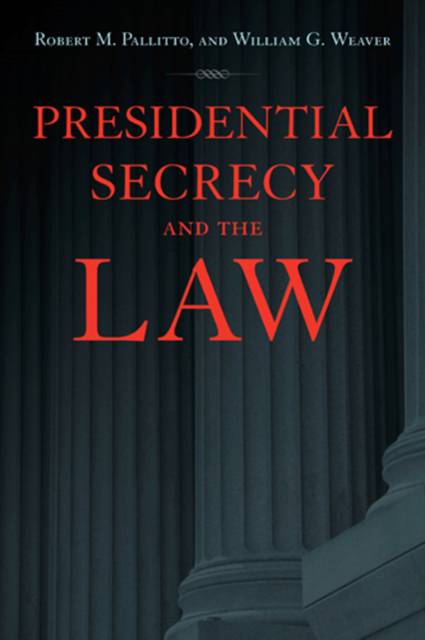
State secrets, warrantless investigations and wiretaps, signing statements, executive privilege-the executive branch wields many tools for secrecy. Since the middle of the twentieth century, presidents have used myriad tactics to expand and maintain a level of executive branch power unprecedented in this nation's history. Most people believe that some degree of governmental secrecy is necessary. But how much is too much? At what point does withholding information from Congress, the courts, and citizens abuse the public trust? How does the nation reclaim rights that have been controlled by one branch of government? With Presidential Secrecy and the Law, Robert M. Pallitto and William G. Weaver attempt to answer these questions by examining the history of executive branch efforts to consolidate power through information control. They find the nation's democracy damaged and its Constitution corrupted by staunch information suppression, a process accelerated when "black sites," "enemy combatants," and "ghost detainees" were added to the vernacular following the September 11, 2001, terror strikes. Tracing the current constitutional dilemma from the days of the imperial presidency to the unitary executive embraced by the administration of George W. Bush, Pallitto and Weaver reveal an alarming erosion of the balance of power. Presidential Secrecy and the Law will be the standard in presidential powers studies for years to come.
Specificaties
Betrokkenen
- Auteur(s):
- Uitgeverij:
Inhoud
- Aantal bladzijden:
- 280
- Taal:
- Engels
Eigenschappen
- Productcode (EAN):
- 9780801885822
- Verschijningsdatum:
- 1/10/2007
- Uitvoering:
- Hardcover
- Formaat:
- Genaaid
- Afmetingen:
- 152 mm x 229 mm
- Gewicht:
- 544 g



Alleen bij Standaard Boekhandel
+ 180 punten op je klantenkaart van Standaard Boekhandel
Cadeau

AANGERADEN


Beoordelingen
We publiceren alleen reviews die voldoen aan de voorwaarden voor reviews. Bekijk onze voorwaarden voor reviews.