


- Afhalen na 1 uur in een winkel met voorraad
- Gratis thuislevering in België vanaf € 30
- Ruim aanbod met 7 miljoen producten
- Afhalen na 1 uur in een winkel met voorraad
- Gratis thuislevering in België vanaf € 30
- Ruim aanbod met 7 miljoen producten





€ 63,45
+ 126 punten
Uitvoering
Eenvoudig bestellen
Veilig betalen


Gratis thuislevering vanaf € 30 (via bpost)
Gratis levering in je Standaard Boekhandel
Omschrijving
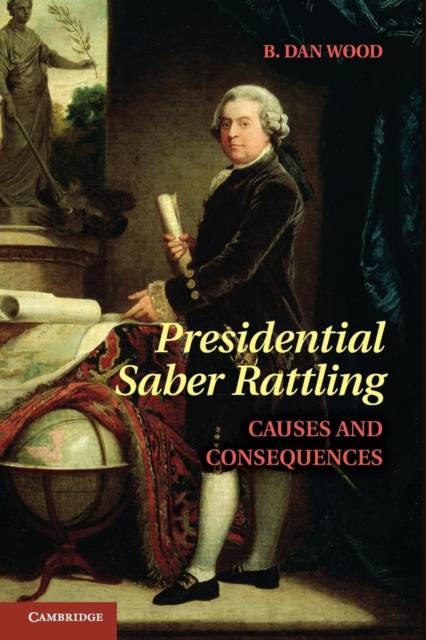
The founders of the American republic believed presidents should be wise and virtuous statesmen consistently advocating community interests when conducting American foreign policy. Yet the most common theoretical model used today for explaining the behavior of politicians is grounded in self-interest, rather than community interest. This book investigates whether past presidents acted as noble statesmen or were driven by such self-interested motivations as reelection, passion, partisanship, media frenzy, and increasing domestic support. The book also examines the consequences for the nation of presidential behavior driven by self-interest. Between 1945 and 2008, presidents issued 4,269 threats to 19 different countries. Professor B. Dan Wood evaluates the causes and consequences of these threats, revealing the nature of presidential foreign policy representation and its consistency with the founding fathers' intentions.
Specificaties
Betrokkenen
- Auteur(s):
- Uitgeverij:
Inhoud
- Aantal bladzijden:
- 210
- Taal:
- Engels
Eigenschappen
- Productcode (EAN):
- 9781107661905
- Verschijningsdatum:
- 6/03/2014
- Uitvoering:
- Paperback
- Formaat:
- Trade paperback (VS)
- Afmetingen:
- 152 mm x 229 mm
- Gewicht:
- 312 g


Alleen bij Standaard Boekhandel
+ 126 punten op je klantenkaart van Standaard Boekhandel
CADEAU

AANGERADEN


Beoordelingen
We publiceren alleen reviews die voldoen aan de voorwaarden voor reviews. Bekijk onze voorwaarden voor reviews.