


- Afhalen na 1 uur in een winkel met voorraad
- Gratis thuislevering in België vanaf € 30
- Ruim aanbod met 7 miljoen producten
- Afhalen na 1 uur in een winkel met voorraad
- Gratis thuislevering in België vanaf € 30
- Ruim aanbod met 7 miljoen producten





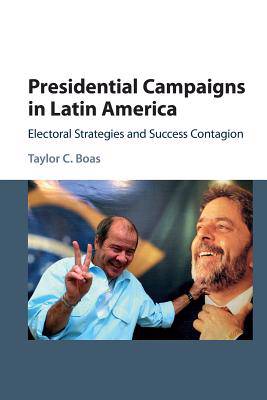
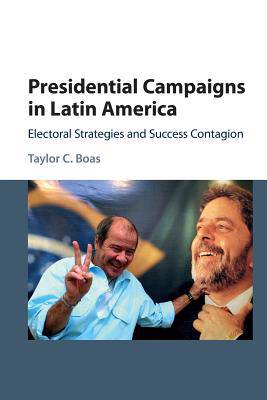
Presidential Campaigns in Latin America
Electoral Strategies and Success Contagion
Taylor C Boas
Paperback | Engels
€ 67,95
+ 135 punten
Uitvoering
Eenvoudig bestellen
Veilig betalen


Gratis thuislevering vanaf € 30 (via bpost)
Gratis levering in je Standaard Boekhandel
Omschrijving
How do presidential candidates in new democracies choose their campaign strategies, and what strategies do they adopt? In contrast to the claim that campaigns around the world are becoming more similar to one another, Taylor Boas argues that new democracies are likely to develop nationally specific approaches to electioneering through a process called success contagion. The theory of success contagion holds that the first elected president to complete a successful term in office establishes a national model of campaign strategy that other candidates will adopt in the future. He develops this argument for the cases of Chile, Brazil, and Peru, drawing on interviews with campaign strategists and content analysis of candidates' television advertising from the 1980s through 2011. The author concludes by testing the argument in ten other new democracies around the world, demonstrating substantial support for the theory.
Specificaties
Betrokkenen
- Auteur(s):
- Uitgeverij:
Inhoud
- Aantal bladzijden:
- 276
- Taal:
- Engels
Eigenschappen
- Productcode (EAN):
- 9781107578890
- Verschijningsdatum:
- 17/05/2018
- Uitvoering:
- Paperback
- Formaat:
- Trade paperback (VS)
- Afmetingen:
- 152 mm x 229 mm
- Gewicht:
- 408 g


Alleen bij Standaard Boekhandel
+ 135 punten op je klantenkaart van Standaard Boekhandel
CADEAU

AANGERADEN


Beoordelingen
We publiceren alleen reviews die voldoen aan de voorwaarden voor reviews. Bekijk onze voorwaarden voor reviews.