


- Afhalen na 1 uur in een winkel met voorraad
- Gratis thuislevering in België vanaf € 30
- Ruim aanbod met 7 miljoen producten
- Afhalen na 1 uur in een winkel met voorraad
- Gratis thuislevering in België vanaf € 30
- Ruim aanbod met 7 miljoen producten





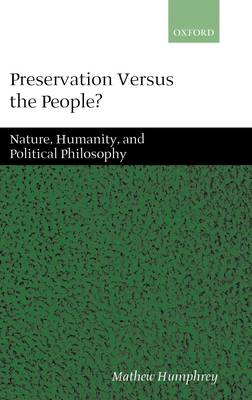
Preservation Versus the People
Nature, Humanity, and Political Philosophy
Mathew Humphrey
Hardcover | Engels
€ 119,45
+ 238 punten
Omschrijving
Why should any society take the decision to devote scarce resources, as a matter of public policy, to preserving natural objects? This is one of the questions considered in the field of environmental ethics, and the thinking that has taken place in this discipline has been dominated by the 'ecocentric-anthropocentric' distinction. Answers focus on either 'intrinsic values in nature', or on the human welfare benefits that will accrue from preservationist policies. These two answers are generally taken to be both mutually exclusive and collectively exhaustive. Ecocentric writers believe that their preferred environmental ethic transcends anthropocentrism, whilst those who cleave to a more 'ecological humanist' position, view the turn to ecocentrism as at best an unnecessary diversion or at worst as a thinly disguised expression of misanthropy.
Specificaties
Betrokkenen
- Auteur(s):
- Uitgeverij:
Inhoud
- Aantal bladzijden:
- 228
- Taal:
- Engels
Eigenschappen
- Productcode (EAN):
- 9780199242672
- Verschijningsdatum:
- 3/10/2002
- Uitvoering:
- Hardcover
- Formaat:
- Genaaid
- Afmetingen:
- 155 mm x 240 mm
- Gewicht:
- 453 g


Alleen bij Standaard Boekhandel
+ 238 punten op je klantenkaart van Standaard Boekhandel
Cadeau

AANGERADEN


Beoordelingen
We publiceren alleen reviews die voldoen aan de voorwaarden voor reviews. Bekijk onze voorwaarden voor reviews.