


- Afhalen na 1 uur in een winkel met voorraad
- Gratis thuislevering in België vanaf € 30
- Ruim aanbod met 7 miljoen producten
- Afhalen na 1 uur in een winkel met voorraad
- Gratis thuislevering in België vanaf € 30
- Ruim aanbod met 7 miljoen producten





€ 30,45
+ 60 punten
Eenvoudig bestellen
Veilig betalen


Gratis thuislevering vanaf € 30 (via bpost)
Gratis levering in je Standaard Boekhandel
Omschrijving
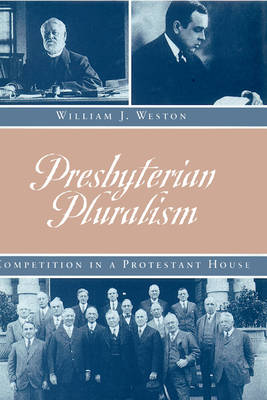
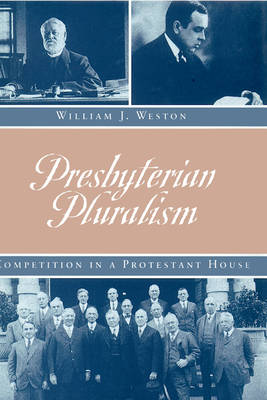
Focusing on the heated ideological struggles that occurred within the Presbyterian Church, U.S.A., during the late 1800s and early 1900s, this book offers a compelling and original explanation of how diverse viewpoints can be accommodated within a religious institution. The Presbyterian example, William J. Weston argues, shows clearly that competition is the only effective kind of pluralism for a church --one that leads neither to institutional paralysis nor to irreconcilable division. Much of the current literature in the sociology of religion sees intradenominational conflict in terms of culture wars between two great factions or parties. However, in the competition model that Weston posits in this book, it is actually a third party - the loyalist center - that holds the power and that ultimately determines the outcome of the struggle. Essential reading for sociologists and historians of religion, Presbyterian Pluralism reaches important conclusions that will engage anyone concerned with conflict inside organizational structures and how it might be contained.
Specificaties
Betrokkenen
- Auteur(s):
- Uitgeverij:
Inhoud
- Aantal bladzijden:
- 208
- Taal:
- Engels
Eigenschappen
- Productcode (EAN):
- 9781572332638
- Verschijningsdatum:
- 1/01/2003
- Uitvoering:
- Paperback
- Formaat:
- Trade paperback (VS)
- Afmetingen:
- 152 mm x 229 mm
- Gewicht:
- 312 g


Alleen bij Standaard Boekhandel
+ 60 punten op je klantenkaart van Standaard Boekhandel
CADEAU

AANGERADEN


Beoordelingen
We publiceren alleen reviews die voldoen aan de voorwaarden voor reviews. Bekijk onze voorwaarden voor reviews.