


- Afhalen na 1 uur in een winkel met voorraad
- Gratis thuislevering in België vanaf € 30
- Ruim aanbod met 7 miljoen producten
- Afhalen na 1 uur in een winkel met voorraad
- Gratis thuislevering in België vanaf € 30
- Ruim aanbod met 7 miljoen producten





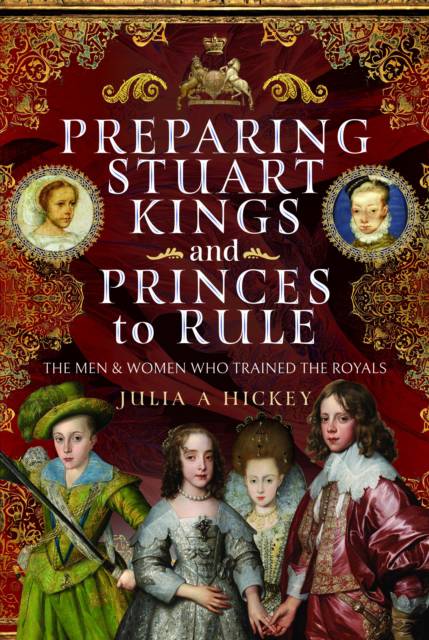
Preparing Stuart Kings and Princes to Rule
The Men and Women Who Trained the Royals
Julia A Hickey
Hardcover | Engels
€ 34,95
+ 69 punten
Omschrijving
The lives and dramas of the men and women who prepared Stuart princes and princesses to rule are more drama-fuelled than any soap opera or work of fiction. These are the stories of the men and women who moulded the Stuarts and what happened to them in the shadow of turbulent times. The breeding of kings was not about idleness or inaction; it was about nourishing their intellects so that they could exercise absolute power as Renaissance monarchs. Amongst their number were hereditary Scottish governors, one of England's foremost female scholars, a warden of the lawless north, the illegitimate son of an ambassador and a playboy turned Royalist general. For some, there were rewards, pensions and preferment. For others, only disaster awaited.
Royal governors and governesses faced religious scrutiny, imprisonment, execution or financial ruin. Elizabeth Stuart's guardian, Lord Harington, outwitted the Gunpowder plotters but was left with so much debt that his widow was forced to sell his estates. One of Thomas Chaloner's sons became a regicide, in part because of the failure of Stuart kings to keep their promises. Even so, the recompense of patronage, preferment and political power could be worth the risks.
The English Civil War saw a group of devoted men and women striving to keep their royal wards safe, using their own funds to provide for them and, on occasion, making daring escapes. By contrast, the earls of Pembroke and Northumberland found the responsibility of the king's younger children an unwanted burden amid the minefield of religion and politics. Raising royalty during the turbulent seventeenth century was not for the faint-hearted.
Royal governors and governesses faced religious scrutiny, imprisonment, execution or financial ruin. Elizabeth Stuart's guardian, Lord Harington, outwitted the Gunpowder plotters but was left with so much debt that his widow was forced to sell his estates. One of Thomas Chaloner's sons became a regicide, in part because of the failure of Stuart kings to keep their promises. Even so, the recompense of patronage, preferment and political power could be worth the risks.
The English Civil War saw a group of devoted men and women striving to keep their royal wards safe, using their own funds to provide for them and, on occasion, making daring escapes. By contrast, the earls of Pembroke and Northumberland found the responsibility of the king's younger children an unwanted burden amid the minefield of religion and politics. Raising royalty during the turbulent seventeenth century was not for the faint-hearted.
Specificaties
Betrokkenen
- Auteur(s):
- Uitgeverij:
Inhoud
- Aantal bladzijden:
- 232
- Taal:
- Engels
Eigenschappen
- Productcode (EAN):
- 9781036123895
- Verschijningsdatum:
- 30/11/2026
- Uitvoering:
- Hardcover
- Formaat:
- Genaaid
- Afmetingen:
- 159 mm x 235 mm


Alleen bij Standaard Boekhandel
+ 69 punten op je klantenkaart van Standaard Boekhandel
Cadeau

AANGERADEN


Beoordelingen
We publiceren alleen reviews die voldoen aan de voorwaarden voor reviews. Bekijk onze voorwaarden voor reviews.