



Bedankt voor het vertrouwen het afgelopen jaar! Om jou te bedanken bieden we GRATIS verzending (in België) aan op alles gedurende de hele maand januari.
- Afhalen na 1 uur in een winkel met voorraad
- In januari gratis thuislevering in België
- Ruim aanbod met 7 miljoen producten
Bedankt voor het vertrouwen het afgelopen jaar! Om jou te bedanken bieden we GRATIS verzending (in België) aan op alles gedurende de hele maand januari.
- Afhalen na 1 uur in een winkel met voorraad
- In januari gratis thuislevering in België
- Ruim aanbod met 7 miljoen producten





Omschrijving
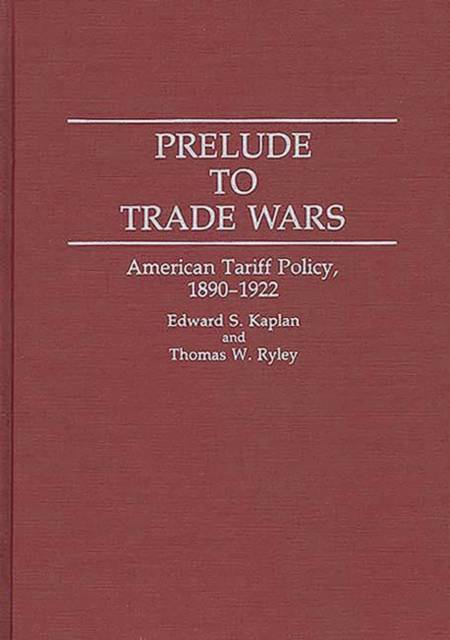
The tariff policies of the 1890-1922 led to the development of tariff rates that launched the United States on a path that led to later trade wars. The Republican Party and Porter McCumber took the lead in promoting these policies, claiming that the tariff would protect new and struggling industries. In many instances, items subjected to high tariffs were not in conflict with industries in the United States. In addition, although the tariff covered agricultural products, it was not sufficient to halt an agricultural decline. This work traces the course of U.S. policy through five tariffs which preceded the Fordney-McCumber tariff of 1922, when the tariff was used for both protection and revenue. McCumber's economic nationalism combined with his internationalism in other areas is detailed in the work.
Specificaties
Betrokkenen
- Auteur(s):
- Uitgeverij:
Inhoud
- Aantal bladzijden:
- 160
- Taal:
- Engels
- Reeks:
Eigenschappen
- Productcode (EAN):
- 9780313290619
- Verschijningsdatum:
- 30/01/1994
- Uitvoering:
- Hardcover
- Formaat:
- Genaaid
- Afmetingen:
- 152 mm x 229 mm
- Gewicht:
- 403 g


Alleen bij Standaard Boekhandel
+ 254 punten op je klantenkaart van Standaard Boekhandel
SOLDEN


Beoordelingen
We publiceren alleen reviews die voldoen aan de voorwaarden voor reviews. Bekijk onze voorwaarden voor reviews.