



Je cadeautjes zeker op tijd in huis hebben voor de feestdagen? Kom langs in onze winkels en vind het perfecte geschenk!
- Afhalen na 1 uur in een winkel met voorraad
- Gratis thuislevering in België vanaf € 30
- Ruim aanbod met 7 miljoen producten
Je cadeautjes zeker op tijd in huis hebben voor de feestdagen? Kom langs in onze winkels en vind het perfecte geschenk!
- Afhalen na 1 uur in een winkel met voorraad
- Gratis thuislevering in België vanaf € 30
- Ruim aanbod met 7 miljoen producten





€ 135,95
+ 271 punten
Omschrijving
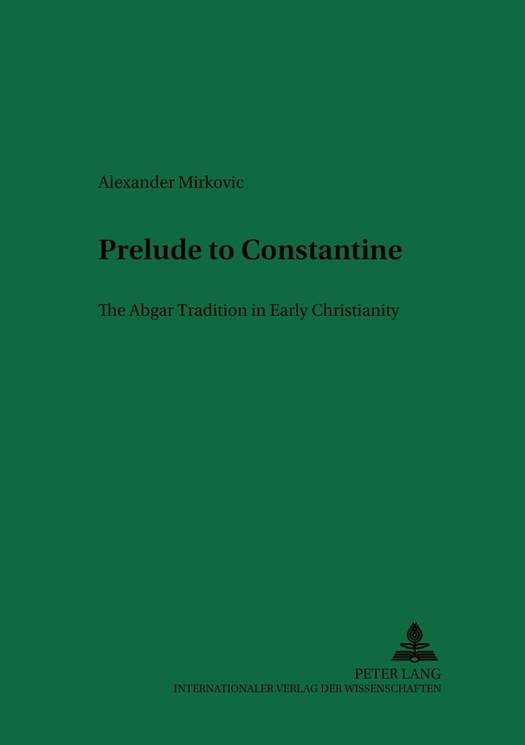
What explains the similarity among the conversion accounts of so many barbarian rulers of the Byzantine Near East? Royal adoptions of a new religion, whether Christianity, Judaism, or Manichaeism, appear to draw on a common literary topos. King Abgar of Edessa's conversion became the subject of several early Christian legends. This analytical comparison of various conversion accounts argues that they played a significant role in fashioning the diverse local ethnic groups in the Near East into Romans. The Abgar legend formed part of a larger literary movement which disseminated often similar accounts of royal conversion within and beyond the borders of the Empire. The conversion stories contain both received and invented traditions which reveal popular and common cultural patron-client patterns. Significantly, various ethnic groups translated these general themes to their unique circumstances. Mirkovic's examination of this tangled web of ethnicity, religion, culture, and politics in the fourth century reveals the historical and literary significance of these legends.
Specificaties
Betrokkenen
- Auteur(s):
- Uitgeverij:
Inhoud
- Aantal bladzijden:
- 186
- Taal:
- Engels
- Reeks:
- Reeksnummer:
- nr. 15
Eigenschappen
- Productcode (EAN):
- 9783631523827
- Verschijningsdatum:
- 11/05/2004
- Uitvoering:
- Paperback
- Formaat:
- Trade paperback (VS)
- Afmetingen:
- 148 mm x 210 mm
- Gewicht:
- 244 g


Alleen bij Standaard Boekhandel
+ 271 punten op je klantenkaart van Standaard Boekhandel
CADEAU


Beoordelingen
We publiceren alleen reviews die voldoen aan de voorwaarden voor reviews. Bekijk onze voorwaarden voor reviews.