


- Afhalen na 1 uur in een winkel met voorraad
- Gratis thuislevering in België vanaf € 30
- Ruim aanbod met 7 miljoen producten
- Afhalen na 1 uur in een winkel met voorraad
- Gratis thuislevering in België vanaf € 30
- Ruim aanbod met 7 miljoen producten





€ 254,45
+ 508 punten
Omschrijving
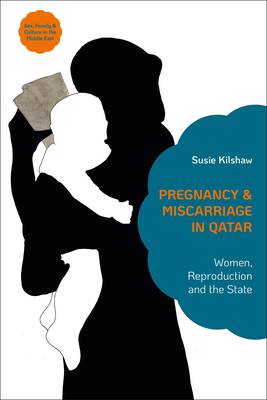
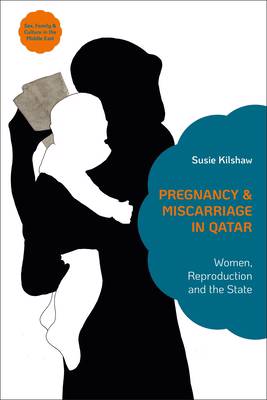
As the bearers of the next generation in one of the richest countries in the world, the social status of Qatari women is closely linked to their ability to have children. Women are expected to reflect the cultural and religious values attached to motherhood, and not having children puts women in a potentially vulnerable position. But Qatari women must also play an essential role in reflecting the country as a centre of Arab modernity, availing themselves of the new opportunities in work, politics and public life.
This book explores the changing role of women in Qatari society and analyses how Qatari women navigate the competing expectations placed upon them. Based on original interviews with pregnant women and women who have experienced miscarriage - as well as interviews with doctors, religious scholars and family members - the book reveals how socio-cultural forces shape the way miscarriage is framed and experienced. It also reveals how intimate reproductive events are deeply entangled with broader societal and political issues. In exploring the themes of reproduction, motherhood and family relationships, this unique study sheds light on the values and beliefs circulating in Qatari society and how these are mapped on to women's bodies.Specificaties
Betrokkenen
- Auteur(s):
- Uitgeverij:
Inhoud
- Aantal bladzijden:
- 256
- Taal:
- Engels
- Reeks:
Eigenschappen
- Productcode (EAN):
- 9781838607340
- Verschijningsdatum:
- 16/04/2020
- Uitvoering:
- Hardcover
- Formaat:
- Genaaid
- Afmetingen:
- 156 mm x 234 mm
- Gewicht:
- 530 g


Alleen bij Standaard Boekhandel
+ 508 punten op je klantenkaart van Standaard Boekhandel
Cadeau

AANGERADEN


Beoordelingen
We publiceren alleen reviews die voldoen aan de voorwaarden voor reviews. Bekijk onze voorwaarden voor reviews.