


- Afhalen na 1 uur in een winkel met voorraad
- Gratis thuislevering in België vanaf € 30
- Ruim aanbod met 7 miljoen producten
- Afhalen na 1 uur in een winkel met voorraad
- Gratis thuislevering in België vanaf € 30
- Ruim aanbod met 7 miljoen producten





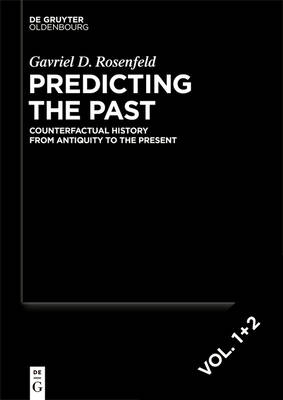
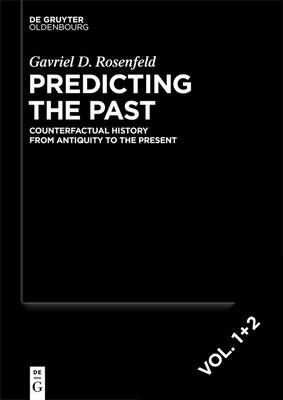
Predicting the Past [Set, 2 Vols.]
Counterfactual History from Antiquity to the Present
Gavriel D Rosenfeld
Paperback | Engels
€ 60,95
+ 121 punten
Omschrijving
Why do we wonder "what if?" about the past? In his pathbreaking, two-volume study, Gavriel Rosenfeld provides the first comprehensive examination of counterfactual history from its inception to the present day. Surveying more than three millennia of western history, Rosenfeld challenges the longstanding claim that historical speculation is contrary to legitimate historical inquiry. He documents the astounding ubiquity of counterfactual thought in the western tradition, showing how from ancient Mesopotamia to contemporary America, prominent historians, theologians, politicians, philosophers, journalists, and novelists have routinely wondered "what if?" about the events of their day. Examining hundreds of classic texts, from Herodotus's Histories to Philip K. Dick's The Man in the High Castle, Rosenfeld analyzes how people in Europe and North America have speculated about such events as the Persian Wars, the rise of the Roman Empire, the medieval Crusades, the Protestant Reformation, the French Revolution, the American Civil War, and World War II. In so doing, he reveals the many missed opportunities and close calls, the multiple fantasies and nightmares, that have marked western history. By showing how counterfactual history is inseparable from historical analysis, Rosenfeld demonstrates that exploring what might have happened is essential to understanding what did.
Specificaties
Betrokkenen
- Auteur(s):
- Uitgeverij:
Inhoud
- Taal:
- Engels
Eigenschappen
- Productcode (EAN):
- 9783112246030
- Verschijningsdatum:
- 14/07/2026
- Uitvoering:
- Paperback
- Formaat:
- Trade paperback (VS)
- Afmetingen:
- 160 mm x 240 mm
- Gewicht:
- 499 g


Alleen bij Standaard Boekhandel
+ 121 punten op je klantenkaart van Standaard Boekhandel
Cadeau

AANGERADEN


Beoordelingen
We publiceren alleen reviews die voldoen aan de voorwaarden voor reviews. Bekijk onze voorwaarden voor reviews.