


- Afhalen na 1 uur in een winkel met voorraad
- Gratis thuislevering in België vanaf € 30
- Ruim aanbod met 7 miljoen producten
- Afhalen na 1 uur in een winkel met voorraad
- Gratis thuislevering in België vanaf € 30
- Ruim aanbod met 7 miljoen producten





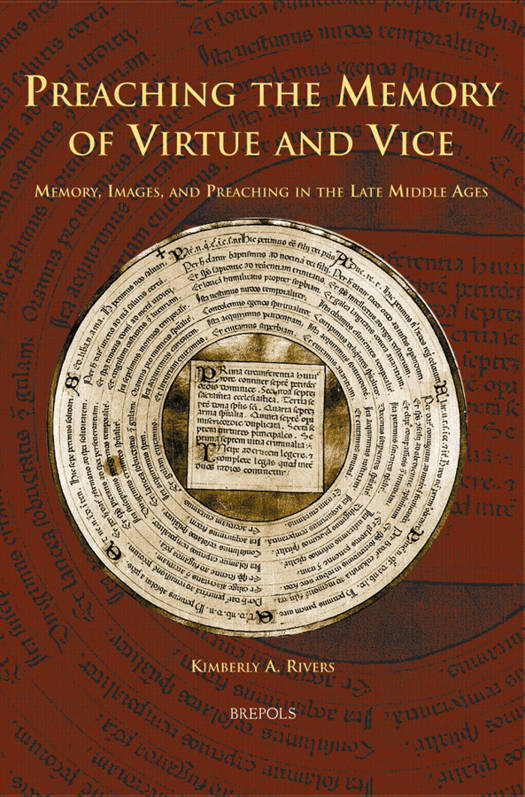
Preaching the Memory of Virtue and Vice
Memory, Images, and Preaching in the Late Middle Ages
Kimberly Rivers
€ 90,10
+ 180 punten
Omschrijving
This volume explores the integral role of memory and mnemonic techniques in medieval preaching from the thirteenth to the early fifteenth century. It argues that the mendicant orders inherited from the early Middle Ages both the simple mnemonic techniques of rhetorical practice and a tradition of monastic meditation founded on memory images. In the thirteenth century Dominican and Franciscan writers drew on these basic techniques even as they re-evaluated the ancient mnemonic system of the Rhetorica ad Herennium (first century BC). The increasing emphasis that intellectuals placed upon cognitive science, ethics, and on distinctions between rhetoric and logic created a climate that welcomed an image-based memory system designed for orators. The book also explores the Franciscan contribution to mnemonics, which has been almost entirely neglected by scholars. As the Franciscans came to value imaginative meditation as part of their own spiritual lives, their habit of meditating on mental images of the virtues and vices eventually spilled out into their sermons. As the new orators of the period, Franciscans and Dominicans each inserted mnemonic images into their sermons as a way to aid the recall of both preachers and listeners. The products of such mnemonic practices in medieval sermons, which included elaborate descriptions of buildings, schematic renderings of the number seven, and verbal images of the virtues and vices, were then allegorised in moral terms and circulated on the continent in exempla collections. This book argues that verbal images and complicated schema functioned as 'ordering devices' for those preaching and listening to sermons, whilst also provoking an affective response that enhanced listeners' devotional and penitential experiences.
Specificaties
Betrokkenen
- Auteur(s):
- Uitgeverij:
Inhoud
- Aantal bladzijden:
- 377
- Taal:
- Engels
- Reeks:
- Reeksnummer:
- nr. 4
Eigenschappen
- Productcode (EAN):
- 9782503515250
- Verschijningsdatum:
- 15/08/2010
- Uitvoering:
- Hardcover
- Formaat:
- Genaaid
- Afmetingen:
- 165 mm x 239 mm
- Gewicht:
- 839 g


Alleen bij Standaard Boekhandel
+ 180 punten op je klantenkaart van Standaard Boekhandel
Cadeau

AANGERADEN


Beoordelingen
We publiceren alleen reviews die voldoen aan de voorwaarden voor reviews. Bekijk onze voorwaarden voor reviews.