


- Afhalen na 1 uur in een winkel met voorraad
- Gratis thuislevering in België vanaf € 30
- Ruim aanbod met 7 miljoen producten
- Afhalen na 1 uur in een winkel met voorraad
- Gratis thuislevering in België vanaf € 30
- Ruim aanbod met 7 miljoen producten





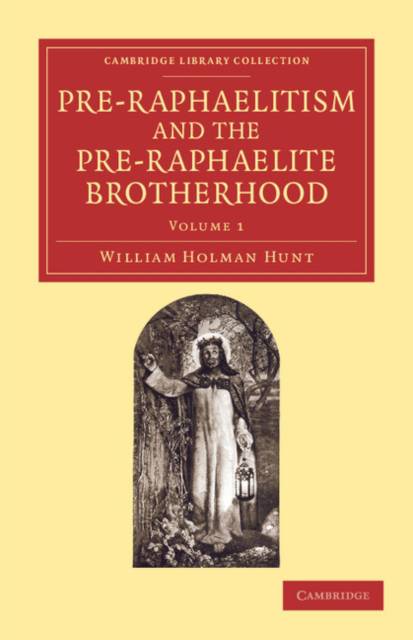
Pre-Raphaelitism and the Pre-Raphaelite Brotherhood
William Holman Hunt
€ 124,45
+ 248 punten
Uitvoering
Omschrijving
William Holman Hunt (1827-1910) chronicled the Pre-Raphaelite Brotherhood in this well-illustrated two-volume memoir of 1905, controversially presenting himself as the movement's founding father. Popular when first published, it illuminates the search for authenticity of treatment and depth of meaning in his own work and that of Millais, Rossetti and their circle. Stressing the contributions of himself and Millais, Hunt sets out to defend the Brotherhood's ideals, from which he never departed. After his success with The Light of the World, he survived exotic and dangerous travels to create some of the most memorable paintings of the age, such as The Scapegoat (mostly painted by the Dead Sea with a gun at hand) and The Lady of Shalott. Volume 1 shows him overcoming family objections and early criticism to pursue his artistic goals, finding common ground in the Brotherhood, winning Ruskin's backing and wider recognition, and making his first trip to the Holy Land.
Specificaties
Betrokkenen
- Auteur(s):
- Uitgeverij:
Inhoud
- Aantal bladzijden:
- 586
- Taal:
- Engels
- Reeks:
Eigenschappen
- Productcode (EAN):
- 9781108060653
- Verschijningsdatum:
- 27/06/2013
- Uitvoering:
- Paperback
- Formaat:
- Trade paperback (VS)
- Afmetingen:
- 140 mm x 216 mm
- Gewicht:
- 734 g


Alleen bij Standaard Boekhandel
+ 248 punten op je klantenkaart van Standaard Boekhandel
Cadeau

AANGERADEN


Beoordelingen
We publiceren alleen reviews die voldoen aan de voorwaarden voor reviews. Bekijk onze voorwaarden voor reviews.