



Je cadeautjes zeker op tijd in huis hebben voor de feestdagen? Kom langs in onze winkels en vind het perfecte geschenk!
- Afhalen na 1 uur in een winkel met voorraad
- Gratis thuislevering in België vanaf € 30
- Ruim aanbod met 7 miljoen producten
Je cadeautjes zeker op tijd in huis hebben voor de feestdagen? Kom langs in onze winkels en vind het perfecte geschenk!
- Afhalen na 1 uur in een winkel met voorraad
- Gratis thuislevering in België vanaf € 30
- Ruim aanbod met 7 miljoen producten





€ 5,95
+ 11 punten
Uitvoering
Omschrijving
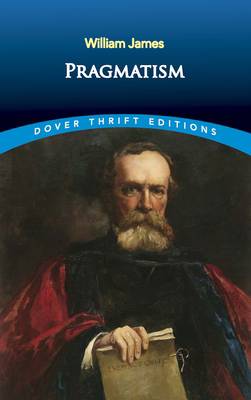
A profoundly influential figure in American psychology, William James (1842-1910) was also a philosopher of note who adopted Charles S. Peirce's theories as a basis for his own conception of pragmatism. For James, this meant an emphasis on "radical empiricism" and the concept that the meaning of any idea -- philosophical, political, social, or otherwise -- has validity only in terms of its experiential and practical consequences.
In this book, James tests competing systems of thought in the "marketplace of actual experience" to determine their validity. In other words, he examines whether adopting a particular philosophical theory or way of looking at the world makes an actual difference in individual conduct. James not only makes a strong case for his own ideas but also mounts a powerful attack against the transcendental and rationalist tradition.
In this book, James tests competing systems of thought in the "marketplace of actual experience" to determine their validity. In other words, he examines whether adopting a particular philosophical theory or way of looking at the world makes an actual difference in individual conduct. James not only makes a strong case for his own ideas but also mounts a powerful attack against the transcendental and rationalist tradition.
Specificaties
Betrokkenen
- Auteur(s):
- Uitgeverij:
Inhoud
- Aantal bladzijden:
- 128
- Taal:
- Engels
- Reeks:
Eigenschappen
- Productcode (EAN):
- 9780486826622
- Verschijningsdatum:
- 12/09/2018
- Uitvoering:
- Paperback
- Formaat:
- Trade paperback (VS)
- Afmetingen:
- 127 mm x 198 mm
- Gewicht:
- 90 g


Alleen bij Standaard Boekhandel
+ 11 punten op je klantenkaart van Standaard Boekhandel
CADEAU


Beoordelingen
We publiceren alleen reviews die voldoen aan de voorwaarden voor reviews. Bekijk onze voorwaarden voor reviews.