


- Afhalen na 1 uur in een winkel met voorraad
- Gratis thuislevering in België vanaf € 30
- Ruim aanbod met 7 miljoen producten
- Afhalen na 1 uur in een winkel met voorraad
- Gratis thuislevering in België vanaf € 30
- Ruim aanbod met 7 miljoen producten





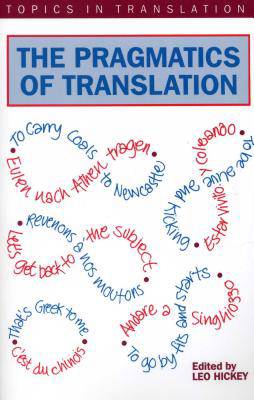
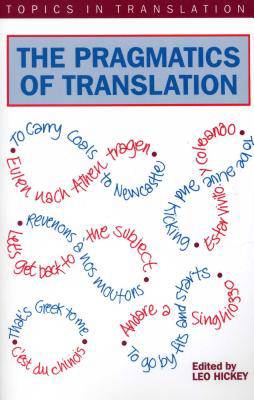
Pragmatics of Translatn the
€ 64,45
+ 128 punten
Omschrijving
Pragmatics, often defined as the study of language use and language users, sets out to explain what people wish to achieve and how they go about achieving it in using language. Such a study is clearly of direct relevance to an understanding of translation and translators. The thirteen chapters in this volume show how translation - skill, art, process and product - is affected by pragmatic factors such as the acts performed by people when they use language, how writers try to be polite, relevant and cooperative, the distinctions they make between what their readers may already know and what is likely to be new to them, what is presupposed and what is openly affirmed, time and space, how they refer to things and make their discourse coherent, how issues may be hedged or attempts made to produce in readers of the translation effects equivalent to those stimulated in readers of the original. Particular attention is paid to legal, political, humorous, poetic and other literary texts.
Specificaties
Betrokkenen
- Uitgeverij:
Inhoud
- Aantal bladzijden:
- 256
- Taal:
- Engels
- Reeks:
- Reeksnummer:
- nr. 12
Eigenschappen
- Productcode (EAN):
- 9781853594045
- Verschijningsdatum:
- 6/11/1998
- Uitvoering:
- Paperback
- Formaat:
- Trade paperback (VS)
- Afmetingen:
- 140 mm x 216 mm
- Gewicht:
- 322 g

Alleen bij Standaard Boekhandel
+ 128 punten op je klantenkaart van Standaard Boekhandel
Cadeau

AANGERADEN


Beoordelingen
We publiceren alleen reviews die voldoen aan de voorwaarden voor reviews. Bekijk onze voorwaarden voor reviews.