


- Afhalen na 1 uur in een winkel met voorraad
- Gratis thuislevering in België vanaf € 30
- Ruim aanbod met 7 miljoen producten
- Afhalen na 1 uur in een winkel met voorraad
- Gratis thuislevering in België vanaf € 30
- Ruim aanbod met 7 miljoen producten





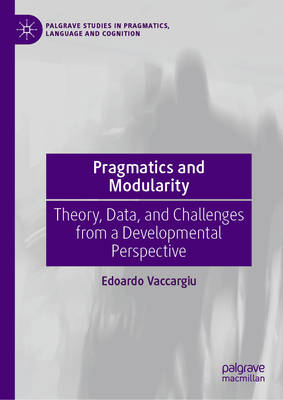
Pragmatics and Modularity
Theory, Data, and Challenges from a Developmental Perspective
Edoardo Vaccargiu
€ 129,95
+ 259 punten
Omschrijving
This book examines the hypothesis that pragmatic communication is supported by a specialized cognitive module for inferring communicative intentions, closely linked to the mindreading capacity to attribute mental states. Drawing on research in linguistic pragmatics, philosophy, evolutionary and developmental psychology, the book evaluates the psychological plausibility of this hypothesis in light of findings from experimental pragmatics, while also addressing its main theoretical and empirical challenges.
The book proposes a novel cognitive framework to articulate the pragmatics module hypothesis from a developmental perspective and offers a comprehensive, up-to-date account of the ontogeny of ostensive communication in early childhood. By engaging with current debates and reviewing key empirical evidence, the book sheds light on foundational questions about the development of social cognition, communicative intentions, and the early foundations of human pragmatic competence.
Specificaties
Betrokkenen
- Auteur(s):
- Uitgeverij:
Inhoud
- Aantal bladzijden:
- 282
- Taal:
- Engels
- Reeks:
Eigenschappen
- Productcode (EAN):
- 9783032251978
- Verschijningsdatum:
- 13/07/2026
- Uitvoering:
- Hardcover
- Formaat:
- Genaaid
- Afmetingen:
- 148 mm x 210 mm


Alleen bij Standaard Boekhandel
+ 259 punten op je klantenkaart van Standaard Boekhandel
Cadeau

AANGERADEN


Beoordelingen
We publiceren alleen reviews die voldoen aan de voorwaarden voor reviews. Bekijk onze voorwaarden voor reviews.