


- Afhalen na 1 uur in een winkel met voorraad
- Gratis thuislevering in België vanaf € 30
- Ruim aanbod met 7 miljoen producten
- Afhalen na 1 uur in een winkel met voorraad
- Gratis thuislevering in België vanaf € 30
- Ruim aanbod met 7 miljoen producten





€ 100,70
+ 201 punten
Omschrijving
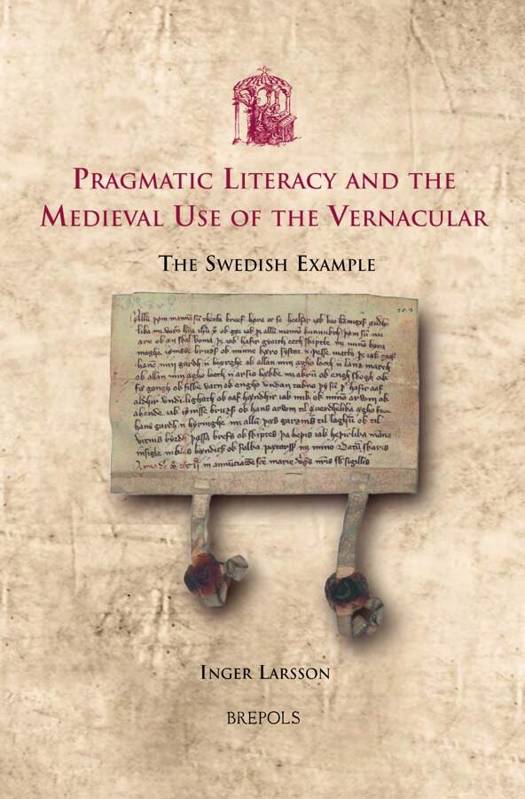
Between 1150 and 1400 Sweden was transformed from a society which was predominantly reliant on oral communication into a society which increasingly deployed writing. Latin, the traditional language of government and records, was gradually replaced by vernacular Swedish. The watershed moment in this process was the drafting of national and town laws in the 1350s, an event which established Swedish as the language of the judiciary and judicial records. From this period written documentation was gradually integrated into legal procedure. Pragmatic Literacy argues that the Crown, the expanding bureaucracy, the editing of the laws in Swedish, and the laws' demands for written documentation in everyday transactions were the main driving forces behind the development in medieval Sweden of lay literacy for practical purposes. The book demonstrates how the early use of writing by the royal administration and the writing of provincial laws in Swedish created centres of literacy from which literate ways of thinking and acting spread both geographically and socially. It further illustrates how literacy moved beyond the confines of the clerical elite, by exploring how different members of the laity adopted pragmatic literacy for private purposes. Pragmatic Literacy thus traces the history of pragmatic literacy in Sweden through the lens of the judicial and administrative archive. Inger Larsson is professor of Swedish Language at the Department of Scandinavian Languages, StockholmUniversity.
Specificaties
Betrokkenen
- Auteur(s):
- Uitgeverij:
Inhoud
- Aantal bladzijden:
- 250
- Taal:
- Engels
- Reeks:
- Reeksnummer:
- nr. 16
Eigenschappen
- Productcode (EAN):
- 9782503527475
- Verschijningsdatum:
- 16/10/2009
- Uitvoering:
- Hardcover
- Formaat:
- Genaaid
- Afmetingen:
- 160 mm x 239 mm
- Gewicht:
- 566 g


Alleen bij Standaard Boekhandel
+ 201 punten op je klantenkaart van Standaard Boekhandel
Cadeau

AANGERADEN


Beoordelingen
We publiceren alleen reviews die voldoen aan de voorwaarden voor reviews. Bekijk onze voorwaarden voor reviews.