



- Afhalen na 1 uur in een winkel met voorraad
- In januari gratis thuislevering in België
- Ruim aanbod met 7 miljoen producten
- Afhalen na 1 uur in een winkel met voorraad
- In januari gratis thuislevering in België
- Ruim aanbod met 7 miljoen producten





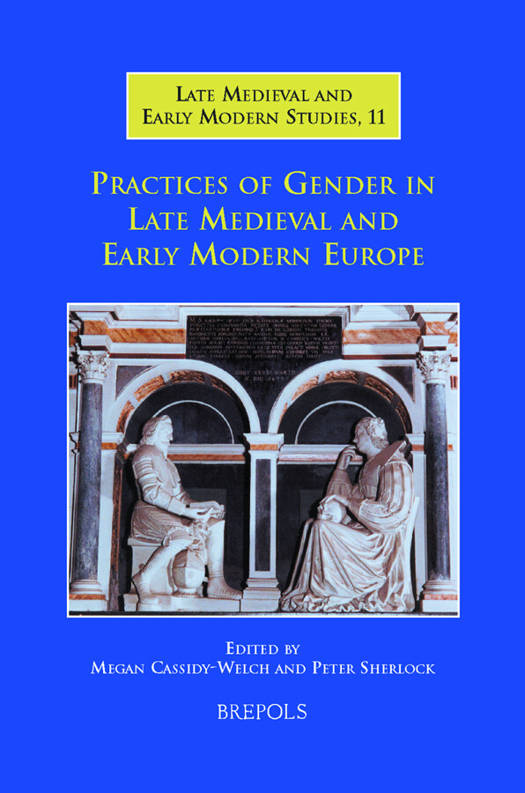
Practices of Gender in Late Medieval and Early Modern Europe
Megan Cassidy-Welch
€ 68,90
+ 137 punten
Omschrijving
This collection argues that gender must be considered as both an approach to history, and as a reflection of the deep workings of the lived, historical past. The sixteen original essays explore social and cultural expressions of gender in Europe from the fourteenth to the eighteenth centuries. They examine theories and practices of gender in domestic, religious, and political contexts, including the Reformation, the convent, the workplace, witchcraft, the household, literacy, the arts, intellectual spheres, and cultures of violence and memory. The volume exposes the myriad ways in which gender was actually experienced, together with the strategies used by individual men and women to negotiate resilient patriarchal structures. Overall, the collection opens up new synergies for thinking about gender as a category of historical analysis and as a set of experiences central to late medieval and early modern Europe.
Specificaties
Betrokkenen
- Auteur(s):
- Uitgeverij:
Inhoud
- Aantal bladzijden:
- 332
- Taal:
- Engels
- Reeks:
- Reeksnummer:
- nr. 11
Eigenschappen
- Productcode (EAN):
- 9782503523361
- Verschijningsdatum:
- 1/06/2009
- Uitvoering:
- Hardcover
- Formaat:
- Ongenaaid / garenloos gebonden
- Afmetingen:
- 165 mm x 246 mm
- Gewicht:
- 616 g


Alleen bij Standaard Boekhandel
+ 137 punten op je klantenkaart van Standaard Boekhandel
Cadeau

AANGERADEN


Beoordelingen
We publiceren alleen reviews die voldoen aan de voorwaarden voor reviews. Bekijk onze voorwaarden voor reviews.