


- Afhalen na 1 uur in een winkel met voorraad
- Gratis thuislevering in België vanaf € 30
- Ruim aanbod met 7 miljoen producten
- Afhalen na 1 uur in een winkel met voorraad
- Gratis thuislevering in België vanaf € 30
- Ruim aanbod met 7 miljoen producten





Omschrijving
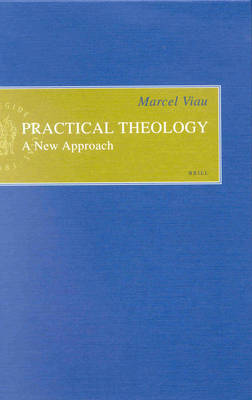
Why speak about a new practical theology, when practical theology seems to be as old as theology itself? Is another "new approach" really necessary? The work aims to set practical theology on a new foundation as it explores the discipline's modes of discourse, leaving aside the question of contents. Practical theology is examined from the point of view of its workings, as it attempts to grasp and give account of faith practices. In the course of this examination, questions relative to the linguistic apparatus are raised. Is this apparatus always coherent? Does it allow for the creation of a relevant theological discourse? On what philosophical traditions does it depend? Experience, language and belief are key notions around which the whole system revolves. The perspective adopted here is largely indebted to contemporary American philosophy. Pragmatism (Peirce, James, Dewey, Rorty) and Analytic philosophy (Quine, Goodman, Putnam, Davidson) are employed in a quest for new epistemological footings. While the result is at times disconcerting, it brings with it a surprisingly rich contribution to reflection in the field.
This book offers theologians a tool which allows them to construct theological discourses which are anchored in faith practices. It fills a void in contemporary theology. Many theologians, no longer content to simply teach at a university, have chosen to work in close collaboration with Christian communities or with groups interested in the relationships between religion and society. Up to this point, theologians such as these have not had the tools at their disposal which would allow them to take account of their own practices. Opening out into many fields, Practical Theology. A New Approach will also be of interest to any researcher, philosopher or scientist, who is interested in the questions surrounding the construction of discourse based on human practices, whatever their provenance.
This book offers theologians a tool which allows them to construct theological discourses which are anchored in faith practices. It fills a void in contemporary theology. Many theologians, no longer content to simply teach at a university, have chosen to work in close collaboration with Christian communities or with groups interested in the relationships between religion and society. Up to this point, theologians such as these have not had the tools at their disposal which would allow them to take account of their own practices. Opening out into many fields, Practical Theology. A New Approach will also be of interest to any researcher, philosopher or scientist, who is interested in the questions surrounding the construction of discourse based on human practices, whatever their provenance.
Specificaties
Betrokkenen
- Auteur(s):
- Uitgeverij:
Inhoud
- Aantal bladzijden:
- 217
- Taal:
- Engels
- Reeks:
- Reeksnummer:
- nr. 2
Eigenschappen
- Productcode (EAN):
- 9789004114401
- Verschijningsdatum:
- 28/04/1999
- Uitvoering:
- Hardcover
- Formaat:
- Genaaid
- Afmetingen:
- 163 mm x 241 mm
- Gewicht:
- 557 g


Alleen bij Standaard Boekhandel
+ 464 punten op je klantenkaart van Standaard Boekhandel
CADEAU


Beoordelingen
We publiceren alleen reviews die voldoen aan de voorwaarden voor reviews. Bekijk onze voorwaarden voor reviews.