


- Afhalen na 1 uur in een winkel met voorraad
- Gratis thuislevering in België vanaf € 30
- Ruim aanbod met 7 miljoen producten
- Afhalen na 1 uur in een winkel met voorraad
- Gratis thuislevering in België vanaf € 30
- Ruim aanbod met 7 miljoen producten





€ 72,45
+ 144 punten
Omschrijving
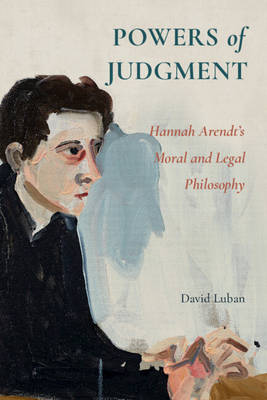
This book is about conscience and moral clarity. It asks how some people keep their judgment steadfast even when many around them are swept away by conspiracy theories, moral panics, and murderous ideologies-or, on a smaller scale, by immersion in a corrupt and corrupting workplace culture. It asks about the surprising fragility of common sense, including moral common sense, and it asks where morality fits into a meaningful human life. Beyond this, the book asks about legal accountability for crimes committed when moral judgment fails on a vast and deadly scale. Hannah Arendt addressed all these questions in a profound and original way. Drawing on her published works, letters, diaries, and notes, David Luban offers clear accounts of Arendt's contributions to moral philosophy and international law, showing how her ideas about judgment and accountability remain crucially important to the moral and legal life of our century.
Specificaties
Betrokkenen
- Auteur(s):
- Uitgeverij:
Inhoud
- Aantal bladzijden:
- 430
- Taal:
- Engels
Eigenschappen
- Productcode (EAN):
- 9781009647465
- Verschijningsdatum:
- 14/05/2026
- Uitvoering:
- Hardcover
- Formaat:
- Genaaid
- Afmetingen:
- 163 mm x 231 mm
- Gewicht:
- 689 g


Alleen bij Standaard Boekhandel
+ 144 punten op je klantenkaart van Standaard Boekhandel
Cadeau

AANGERADEN


Beoordelingen
We publiceren alleen reviews die voldoen aan de voorwaarden voor reviews. Bekijk onze voorwaarden voor reviews.