


- Afhalen na 1 uur in een winkel met voorraad
- Gratis thuislevering in België vanaf € 30
- Ruim aanbod met 7 miljoen producten
- Afhalen na 1 uur in een winkel met voorraad
- Gratis thuislevering in België vanaf € 30
- Ruim aanbod met 7 miljoen producten





€ 75,45
+ 150 punten
Omschrijving
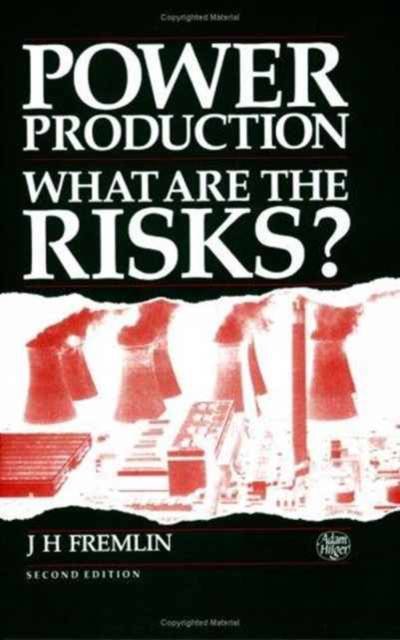
The debate about nuclear power and the risks involved continues to rage but of course all forms of power production have their own particular and sometimes considerable risks. Power Production: What Are the Risks? includes completely new chapters to take into account the nuclear accident at Chernobyl, the disaster at Piper Alpha, and the much debated problems of acid rain and the greenhouse effect. The book evaluates the risks involved in using coal and oil-fired generation of nuclear and hydro power. The author contends that in our modern industrial society the risks of power production are less than the consequences of having insufficient supplies of power. He uses technical data from many fields of research to estimate the risks to the public from both renewable and nonrenewable sources.
Specificaties
Betrokkenen
- Auteur(s):
- Uitgeverij:
Inhoud
- Aantal bladzijden:
- 347
- Taal:
- Engels
- Reeks:
Eigenschappen
- Productcode (EAN):
- 9780852741337
- Verschijningsdatum:
- 3/01/1989
- Uitvoering:
- Paperback
- Formaat:
- Trade paperback (VS)
- Afmetingen:
- 157 mm x 233 mm
- Gewicht:
- 557 g


Alleen bij Standaard Boekhandel
+ 150 punten op je klantenkaart van Standaard Boekhandel
Cadeau

AANGERADEN


Beoordelingen
We publiceren alleen reviews die voldoen aan de voorwaarden voor reviews. Bekijk onze voorwaarden voor reviews.