


- Afhalen na 1 uur in een winkel met voorraad
- Gratis thuislevering in België vanaf € 30
- Ruim aanbod met 7 miljoen producten
- Afhalen na 1 uur in een winkel met voorraad
- Gratis thuislevering in België vanaf € 30
- Ruim aanbod met 7 miljoen producten





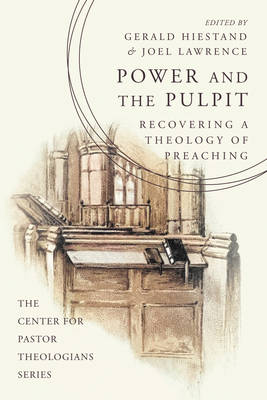
Power and the Pulpit
Recovering a Theology of Preaching
€ 63,95
+ 127 punten
Omschrijving
The evangelical tradition places the sermon at the center of church life. We build buildings around pulpits and preachers. We champion gifted communicators. We celebrate effective homiletical techniques. But too often, these emphases are not the result of deep theological convictions but of the church's adoption of modern visions of communication and success. In our day, preaching is easily unmoored from its biblical, theological, and historical anchors. Too often, it has become a tool of celebrity. We have seen pulpits and preaching taken captive by political and pragmatic ideologies. The teaching office of the church has sometimes been manipulated to secure and maintain human power. The present condition of much preaching in our time compels us to ask: What is our theology of preaching? Is our vision of the sermon rooted in the miracle of God's word proclaimed or in the desire to entertain? Is our preaching a function of a theology of glory or a theology of the cross? Reflecting on such questions, the essays in this volume seek to chart a path forward for word-centered, God-glorifying preaching.
Specificaties
Betrokkenen
- Uitgeverij:
Inhoud
- Aantal bladzijden:
- 242
- Taal:
- Engels
- Reeks:
Eigenschappen
- Productcode (EAN):
- 9798385247561
- Verschijningsdatum:
- 22/10/2025
- Uitvoering:
- Hardcover
- Formaat:
- Genaaid
- Afmetingen:
- 152 mm x 229 mm
- Gewicht:
- 494 g


Alleen bij Standaard Boekhandel
+ 127 punten op je klantenkaart van Standaard Boekhandel
Cadeau

AANGERADEN


Beoordelingen
We publiceren alleen reviews die voldoen aan de voorwaarden voor reviews. Bekijk onze voorwaarden voor reviews.