


- Afhalen na 1 uur in een winkel met voorraad
- Gratis thuislevering in België vanaf € 30
- Ruim aanbod met 7 miljoen producten
- Afhalen na 1 uur in een winkel met voorraad
- Gratis thuislevering in België vanaf € 30
- Ruim aanbod met 7 miljoen producten





€ 194,95
+ 389 punten
Omschrijving
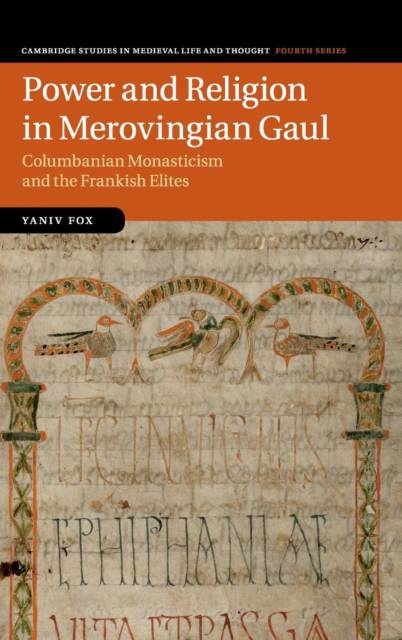
This study is the first to attempt a thorough investigation of the activities of the Columbanian congregation, which played a significant role in the development of Western monasticism. This was a new form of rural monasticism, which suited the needs and aspirations of a Christian elite eager to express its power and prestige in religious terms. Contrary to earlier studies, which viewed Columbanus and his disciples primarily as religious innovators, this book focuses on the political, economic, and familial implications of monastic patronage and on the benefits elite patrons stood to reap. While founding families were in a privileged position to court royal favour, monastic patronage also exposed them to violent reprisals from competing factions. Columbanian monasteries were not serene havens of contemplation, but rather active foci of power and wealth, and quickly became integral elements of early medieval statecraft.
Specificaties
Betrokkenen
- Auteur(s):
- Uitgeverij:
Inhoud
- Aantal bladzijden:
- 365
- Taal:
- Engels
- Reeks:
- Reeksnummer:
- nr. 98
Eigenschappen
- Productcode (EAN):
- 9781107064591
- Verschijningsdatum:
- 18/09/2014
- Uitvoering:
- Hardcover
- Formaat:
- Genaaid
- Afmetingen:
- 157 mm x 231 mm
- Gewicht:
- 657 g


Alleen bij Standaard Boekhandel
+ 389 punten op je klantenkaart van Standaard Boekhandel
Cadeau

AANGERADEN


Beoordelingen
We publiceren alleen reviews die voldoen aan de voorwaarden voor reviews. Bekijk onze voorwaarden voor reviews.