



Bedankt voor het vertrouwen het afgelopen jaar! Om jou te bedanken bieden we GRATIS verzending (in België) aan op alles gedurende de hele maand januari.
- Afhalen na 1 uur in een winkel met voorraad
- In januari gratis thuislevering in België
- Ruim aanbod met 7 miljoen producten
Bedankt voor het vertrouwen het afgelopen jaar! Om jou te bedanken bieden we GRATIS verzending (in België) aan op alles gedurende de hele maand januari.
- Afhalen na 1 uur in een winkel met voorraad
- In januari gratis thuislevering in België
- Ruim aanbod met 7 miljoen producten





€ 286,95
+ 573 punten
Omschrijving
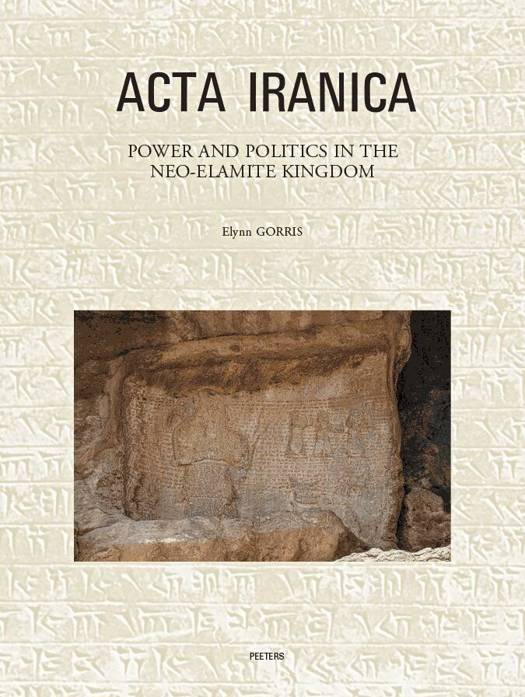
Power and Politics in the Neo-Elamite Kingdom (c. 1100-520 BC) documents one of the most obscure episodes in the political history of ancient southwestern Iran. Elam's strategic position between the Mesopotamian alluvial plain, the Persian Gulf and the Iranian highlands made it a target for territorial expansion of the Neo-Assyrian empire. However, the ability of the Neo-Elamite kings to engage in a political alliance with the Neo-Babylonian kingdom, the flexibility of the Neo-Elamite government system and the dynamics between the various ethnic and social groups living within the multiple valleys of Elam protected the Elamite heartland for centuries against the continuous military threat. Elam became an indisputable partner in an inter-regional network of Mesopotamian states until the emergence of the Persian empire reshaped the political landscape of the Ancient Near East. By re-evaluating the dynastic lineage of Neo-Elamite kings, the geopolitical power of the Neo-Elamite kingdom and the (trans-)formation the Elamite government system in the 1st millennium BC through written and archaeological evidence, this book aims to improve our understanding of the last centuries of Elam.
Specificaties
Betrokkenen
- Auteur(s):
- Uitgeverij:
Inhoud
- Aantal bladzijden:
- 278
- Taal:
- Engels
- Reeks:
- Reeksnummer:
- nr. 60
Eigenschappen
- Productcode (EAN):
- 9789042942660
- Verschijningsdatum:
- 31/12/2020
- Uitvoering:
- Hardcover
- Formaat:
- Genaaid
- Afmetingen:
- 244 mm x 315 mm
- Gewicht:
- 1519 g


Alleen bij Standaard Boekhandel
+ 573 punten op je klantenkaart van Standaard Boekhandel
SOLDEN


Beoordelingen
We publiceren alleen reviews die voldoen aan de voorwaarden voor reviews. Bekijk onze voorwaarden voor reviews.