


- Afhalen na 1 uur in een winkel met voorraad
- Gratis thuislevering in België vanaf € 30
- Ruim aanbod met 7 miljoen producten
- Afhalen na 1 uur in een winkel met voorraad
- Gratis thuislevering in België vanaf € 30
- Ruim aanbod met 7 miljoen producten





€ 80,95
+ 161 punten
Uitvoering
Omschrijving
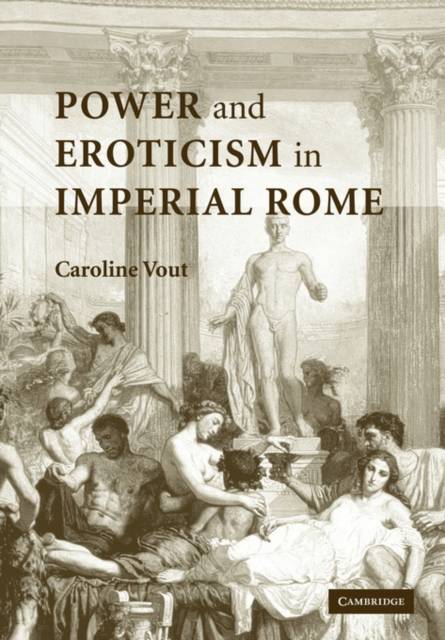
The relationships between Roman emperors and their objects of desire, male and female, are well attested. The salacious nature of this evidence means that it is often omitted from mainstream historical inquiry. Yet that is to underestimate the importance of 'gossip' and the act of thinking about an emperor's private life. In this book Dr Vout takes the reader from Rome, and Martial's and Statius' poems about Domitian's favourite eunuch, to Antioch and dialogues in praise of Lucius Verus' mistress, to the widespread visual commemoration and cult of Hadrian's young male lover, Antinous. She explores not the relationships themselves but rather the implications of their description. Such description provides a template with which to examine the relationship between emperor and subject, gods and mortals, East and West, centre and periphery. It thus contributes to the fields of imperial representation, court society and the imperial cult.
Specificaties
Betrokkenen
- Auteur(s):
- Uitgeverij:
Inhoud
- Aantal bladzijden:
- 300
- Taal:
- Engels
Eigenschappen
- Productcode (EAN):
- 9780521123600
- Verschijningsdatum:
- 19/11/2009
- Uitvoering:
- Paperback
- Formaat:
- Trade paperback (VS)
- Afmetingen:
- 170 mm x 244 mm
- Gewicht:
- 480 g


Alleen bij Standaard Boekhandel
+ 161 punten op je klantenkaart van Standaard Boekhandel
Cadeau

AANGERADEN


Beoordelingen
We publiceren alleen reviews die voldoen aan de voorwaarden voor reviews. Bekijk onze voorwaarden voor reviews.