


- Afhalen na 1 uur in een winkel met voorraad
- Gratis thuislevering in België vanaf € 30
- Ruim aanbod met 7 miljoen producten
- Afhalen na 1 uur in een winkel met voorraad
- Gratis thuislevering in België vanaf € 30
- Ruim aanbod met 7 miljoen producten





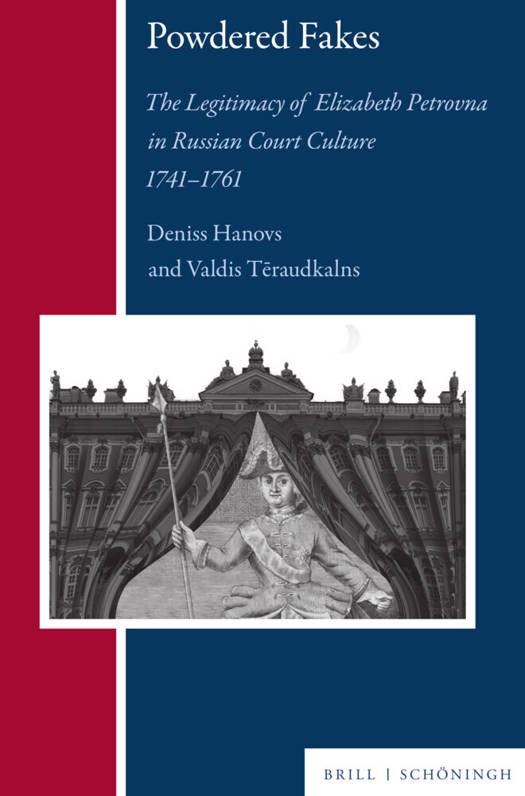
Powdered Fakes
The Legitimacy of Elizabeth Petrovna in Russian Court Culture 1741-1761
Deniss Hanovs, Valdis Tēraudkalns
€ 107,45
+ 214 punten
Omschrijving
This study examines the 18th century Russian court culture as a political frame for legitimacy of the new empress Elizabeth, daughter of Peter I, who seized power after a coup d'état in November 1741 and was in need of explaining the coup and "cancelling" the previous rule in public sphere. The book reflects on narratives and practices of the new government in its attempt to legitimise the new sovereign using memory politics to construct Emperor Peter I as the creator of the new Russia. Using interdisciplinary methods, Deniss Hanovs and Valdis Tēraudkalns analyse the tools which were used to create this new legitimacy. These include a court opera, multimedia baroque festivals and religious ceremonies, epic poetry and even students' essays dedicated to the new empress, which created a multifaceted collection of performative actions, in text, music, ritual, drawings and ceremonial architecture.
Specificaties
Betrokkenen
- Auteur(s):
- Uitgeverij:
Inhoud
- Aantal bladzijden:
- 278
- Taal:
- Engels
- Reeks:
- Reeksnummer:
- nr. 26
Eigenschappen
- Productcode (EAN):
- 9783506798213
- Verschijningsdatum:
- 11/07/2025
- Uitvoering:
- Hardcover
- Formaat:
- Genaaid
- Afmetingen:
- 155 mm x 235 mm
- Gewicht:
- 639 g


Alleen bij Standaard Boekhandel
+ 214 punten op je klantenkaart van Standaard Boekhandel
Cadeau

AANGERADEN


Beoordelingen
We publiceren alleen reviews die voldoen aan de voorwaarden voor reviews. Bekijk onze voorwaarden voor reviews.