


- Afhalen na 1 uur in een winkel met voorraad
- Gratis thuislevering in België vanaf € 30
- Ruim aanbod met 7 miljoen producten
- Afhalen na 1 uur in een winkel met voorraad
- Gratis thuislevering in België vanaf € 30
- Ruim aanbod met 7 miljoen producten





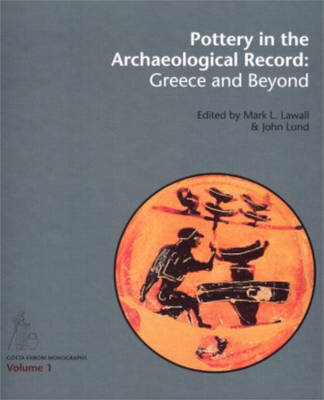
Pottery in the Archaeological Record: Greece and Beyond
Acts on the International Colloquium Held at the Danish and Canadian Institutes in Athens, June 20-22, 2008
€ 45,95
+ 91 punten
Omschrijving
Archaeologist are increasingly focusing on the transformation of artifacts from their use in the past to theri appearance in the archaeological record, trying to identiy the natural and cultural processes that created the archaeological record we study today. In Classical Archaeology, attention to these processes received an impetus by J. Theodore Peña's 2007 monograph, Roman Pottery in the Archaeological Record, which considered how ceramic vessels were made, used and stayed in use serving various secondary purposes, before finally being discarded. Peña relied mainly on evidence from Roman Italy, which raises the question of the impact of similar cultural forces on pottery from other periods and places. His work accentuates the need to continue the process of building and developing explicit interpretive models of ceramic life-histories in Mediterranean archaeology. With a view to beginning to address these challenges, the editors invited a group of specialists in the pottery of Greece and the rest of the Eastern Mediterranean to a colloquium in Athens in June 2008, asking the contributors to recondiser Peña's general models, approaches and examples from their own particular geographic and cultural perspectives. This publication constitutes the proceedings of this colloquium.
Specificaties
Betrokkenen
- Uitgeverij:
Inhoud
- Aantal bladzijden:
- 168
- Taal:
- Engels
- Reeks:
- Reeksnummer:
- nr. 1
Eigenschappen
- Productcode (EAN):
- 9788779345874
- Verschijningsdatum:
- 20/04/2011
- Uitvoering:
- Hardcover
- Formaat:
- Genaaid
- Afmetingen:
- 226 mm x 244 mm
- Gewicht:
- 757 g

Alleen bij Standaard Boekhandel
+ 91 punten op je klantenkaart van Standaard Boekhandel
AANGERADEN


Beoordelingen
We publiceren alleen reviews die voldoen aan de voorwaarden voor reviews. Bekijk onze voorwaarden voor reviews.