


- Afhalen na 1 uur in een winkel met voorraad
- Gratis thuislevering in België vanaf € 30
- Ruim aanbod met 7 miljoen producten
- Afhalen na 1 uur in een winkel met voorraad
- Gratis thuislevering in België vanaf € 30
- Ruim aanbod met 7 miljoen producten





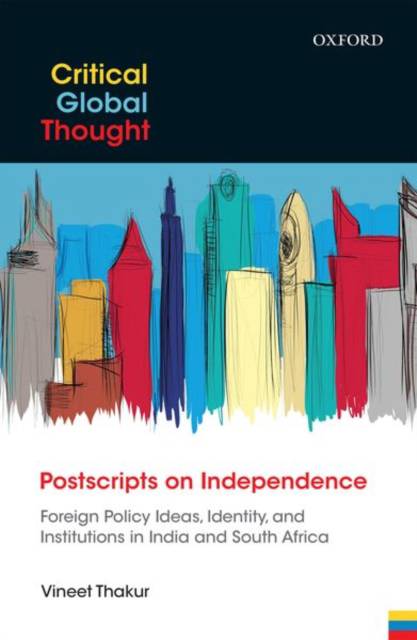
Postscripts on Independence
Foreign Policy Ideas, Identity, and Institutions in India and South Africa
Vineet Thakur
Hardcover | Engels
€ 90,45
+ 180 punten
Omschrijving
India and South Africa, two states that bookended the process of twentieth century decolonization, punched above their weight in global politics in their initial years of liberation. Postscripts on Independence analyses and compares the making of foreign policy ideas, identities, and institutions of postcolonial India and South Africa. It shows how both countries have responded to the contradictory demands of their freedom struggles against colonialism and pragmatic challenges of international politics. Vineet Thakur argues that the countries' geopolitical positioning in South Asia and southern Africa make them regional powers, with similar sets of problems and prospects, as both continue to grapple with the idea of maintaining regional and/or continental hegemony. By undertaking a comparative analysis, he explores a framework to understand the foreign policymaking fears, aspirations, and international behaviour of these two states.
Specificaties
Betrokkenen
- Auteur(s):
- Uitgeverij:
Inhoud
- Aantal bladzijden:
- 388
- Taal:
- Engels
Eigenschappen
- Productcode (EAN):
- 9780199479641
- Verschijningsdatum:
- 28/08/2018
- Uitvoering:
- Hardcover
- Formaat:
- Genaaid
- Afmetingen:
- 145 mm x 221 mm
- Gewicht:
- 557 g


Alleen bij Standaard Boekhandel
+ 180 punten op je klantenkaart van Standaard Boekhandel
Cadeau

AANGERADEN


Beoordelingen
We publiceren alleen reviews die voldoen aan de voorwaarden voor reviews. Bekijk onze voorwaarden voor reviews.