


- Afhalen na 1 uur in een winkel met voorraad
- Gratis thuislevering in België vanaf € 30
- Ruim aanbod met 7 miljoen producten
- Afhalen na 1 uur in een winkel met voorraad
- Gratis thuislevering in België vanaf € 30
- Ruim aanbod met 7 miljoen producten





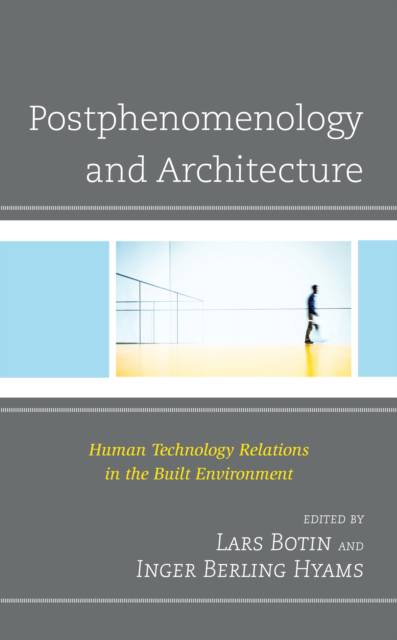
Postphenomenology and Architecture
Human Technology Relations in the Built Environment
€ 203,95
+ 407 punten
Omschrijving
Architecture and urban design are typically considered as a result of artistic creativity performed by gifted individuals. Postphenomenology and Architecture: Human Technology Relations in the Built Environment analyzes buildings and cities instead as technologies. Informed by a postphenomenological perspective, this book argues that buildings and the furniture of cities--like bike lanes, benches, and bus stops--are inscribed in a conceptual framework of multistability, which is to say that they fulfill different purposes over time. Yet, there are qualities in the built environment that are long lasting and immutable and that transcend temporal functionality and ephemeral efficiency. The contributors show how different perceptions, practices, and interpretations are tangible and visible as we engage with these technologies. In addition, several of the chapters critically assess the influence of Martin Heidegger in modern philosophy of architecture. This book reads Heidegger from the perspective of architecture and urban design as technology, shedding light on what it means to build and dwell.
Specificaties
Betrokkenen
- Uitgeverij:
Inhoud
- Aantal bladzijden:
- 252
- Taal:
- Engels
- Reeks:
Eigenschappen
- Productcode (EAN):
- 9781793609434
- Verschijningsdatum:
- 22/02/2021
- Uitvoering:
- Hardcover
- Formaat:
- Genaaid
- Afmetingen:
- 152 mm x 229 mm
- Gewicht:
- 544 g

Alleen bij Standaard Boekhandel
+ 407 punten op je klantenkaart van Standaard Boekhandel
Cadeau

AANGERADEN


Beoordelingen
We publiceren alleen reviews die voldoen aan de voorwaarden voor reviews. Bekijk onze voorwaarden voor reviews.