


- Afhalen na 1 uur in een winkel met voorraad
- Gratis thuislevering in België vanaf € 30
- Ruim aanbod met 7 miljoen producten
- Afhalen na 1 uur in een winkel met voorraad
- Gratis thuislevering in België vanaf € 30
- Ruim aanbod met 7 miljoen producten





€ 17,95
+ 35 punten
Omschrijving
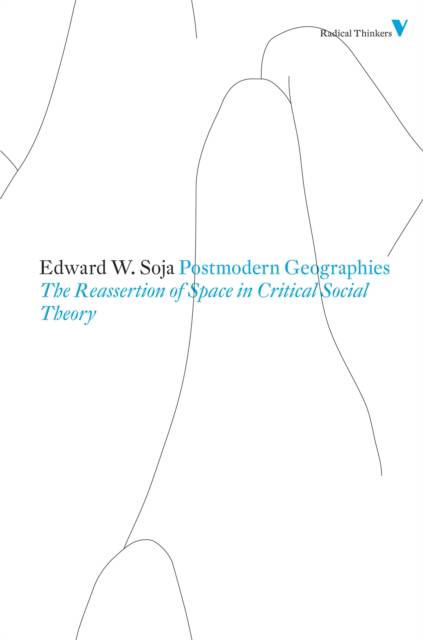
Postmodern Geographies stands as the cardinal broadcast and defence of theory's "spatial turn." From the suppression of space in modern social science and the disciplinary aloofness of geography to the spatial returns of Foucault and Lefebvre and the construction of Marxist geographies alert to urbanization and global development, renowned geographer Edward W. Soja details the trajectory of this turn and lays out its key debates. An expanded critique of historicism and a refined grasp of materialist dialectics bolster Soja's attempt to introduce geography to postmodernity, animating a series of engagements with Heidegger, Giddens, Castells, and others. Two exploratory essays on the postfordist landscapes of Los Angeles complete the book, offering a glimpse of Soja's new geography carried into its highest register.
Specificaties
Betrokkenen
- Auteur(s):
- Uitgeverij:
Inhoud
- Aantal bladzijden:
- 228
- Taal:
- Engels
- Reeks:
Eigenschappen
- Productcode (EAN):
- 9781844676699
- Verschijningsdatum:
- 10/01/2011
- Uitvoering:
- Paperback
- Formaat:
- Trade paperback (VS)
- Afmetingen:
- 131 mm x 197 mm
- Gewicht:
- 308 g


Alleen bij Standaard Boekhandel
+ 35 punten op je klantenkaart van Standaard Boekhandel
Cadeau

AANGERADEN


Beoordelingen
We publiceren alleen reviews die voldoen aan de voorwaarden voor reviews. Bekijk onze voorwaarden voor reviews.