


- Afhalen na 1 uur in een winkel met voorraad
- Gratis thuislevering in België vanaf € 30
- Ruim aanbod met 7 miljoen producten
- Afhalen na 1 uur in een winkel met voorraad
- Gratis thuislevering in België vanaf € 30
- Ruim aanbod met 7 miljoen producten





€ 148,40
+ 296 punten
Omschrijving
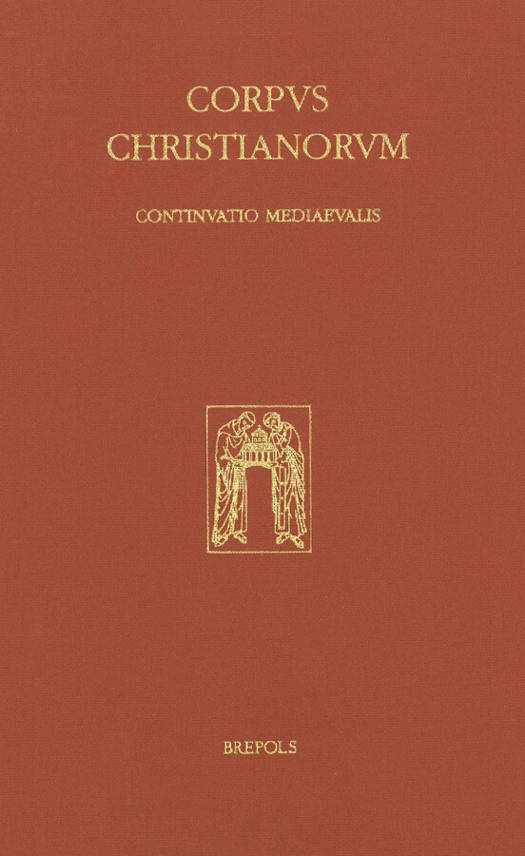
Composed between the years 1267 and 1275 by the Dominican and Parisian Master, William of Luxi, Postilla super Baruch and Postilla super Ionam were produced to provide ideal material for equipping preachers with accessible sermon material. The commentaries, doctrinally informed and containing exempla, distictiones and advice for the confessional, assisted in bridging the gap between scriptural exegesis and its practical and pastoral application to preaching. Although little is known about William, he was considered to be an exegete of some repute. In a list compiled by one medieval source proposing the best biblical commentaries, William's postill on the Twelve Minor Prophets (Postilla super Ionam) is as highly esteemed as commentaries by Hugh of St. Cher, Thomas Aquinas, and Nicholas of Lyra. His commentary on the Book of Baruch (Postilla super Baruch) holds an important place within the commentary tradition of that book in the Latin West, since it is a valuable witness to the only two surviving Latin commentaries on it: the Dean of Salisbury's Glossa super Baruch (ante 1230) and Hugh of St. Cher's Postilla super Baruch (ca. 1230-1235). William's commentaries contribute to our understanding of the history of the formal shaping of scholastic exegesis and its contribution to the broader pastoral reform movement unfolding throughout the thirteenth century. Set side by side with university sermons, Sentence commentaries and disputations, they also give the modern scholar a more balanced view of the thought of teachers and students during this remarkable period of theological activity.
Specificaties
Betrokkenen
- Auteur(s):
- Uitgeverij:
Inhoud
- Aantal bladzijden:
- 178
- Taal:
- Frans
- Reeks:
- Reeksnummer:
- nr. 219
Eigenschappen
- Productcode (EAN):
- 9782503051918
- Verschijningsdatum:
- 28/11/2006
- Uitvoering:
- Hardcover
- Formaat:
- Genaaid
- Gewicht:
- 425 g


Alleen bij Standaard Boekhandel
+ 296 punten op je klantenkaart van Standaard Boekhandel
Cadeau

AANGERADEN


Beoordelingen
We publiceren alleen reviews die voldoen aan de voorwaarden voor reviews. Bekijk onze voorwaarden voor reviews.