


- Afhalen na 1 uur in een winkel met voorraad
- Gratis thuislevering in België vanaf € 30
- Ruim aanbod met 7 miljoen producten
- Afhalen na 1 uur in een winkel met voorraad
- Gratis thuislevering in België vanaf € 30
- Ruim aanbod met 7 miljoen producten




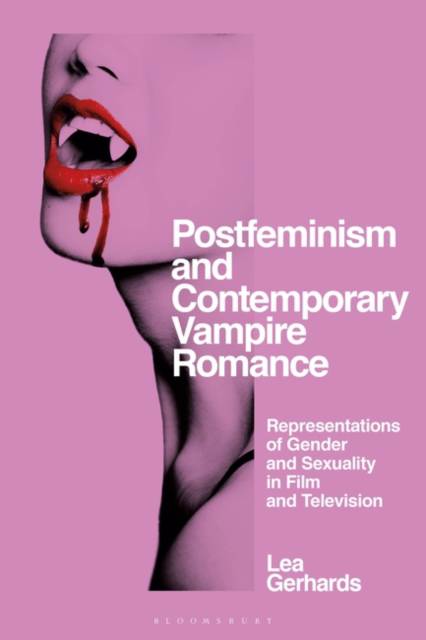
Postfeminism and Contemporary Vampire Romance
Representations of Gender and Sexuality in Film and Television
Lea Gerhards
€ 220,45
+ 440 punten
Uitvoering
Omschrijving
In this book, Lea Gerhards traces connections between three recent vampire romance series; the Twilight film series (2008-2012), The Vampire Diaries (2009-2017) and True Blood (2008-2014), exploring their tremendous discursive and ideological power in order to understand the cultural politics of these extremely popular texts.
She uses contemporary vampire romance to examine postfeminist ideologies and discuss gender, sexuality, subjectivity, agency and the body. Discussing a range of conflicting meanings contained in the narratives, Gerhards critically looks genre's engagement with everyday sexism and violence against women, power relations in heterosexual relationships, sexual autonomy and pleasure, (self-) empowerment, and (self-) surveillance. She asks: Why are these genre texts so popular right now, what specific desires, issues and fears are addressed and negotiated by them, and what kinds of pleasures do they offer?Specificaties
Betrokkenen
- Auteur(s):
- Uitgeverij:
Inhoud
- Aantal bladzijden:
- 288
- Taal:
- Engels
- Reeks:
Eigenschappen
- Productcode (EAN):
- 9781350215689
- Verschijningsdatum:
- 30/06/2022
- Uitvoering:
- Hardcover
- Formaat:
- Genaaid
- Afmetingen:
- 140 mm x 216 mm
- Gewicht:
- 476 g


Alleen bij Standaard Boekhandel
+ 440 punten op je klantenkaart van Standaard Boekhandel
AANGERADEN


Beoordelingen
We publiceren alleen reviews die voldoen aan de voorwaarden voor reviews. Bekijk onze voorwaarden voor reviews.