


- Afhalen na 1 uur in een winkel met voorraad
- Gratis thuislevering in België vanaf € 30
- Ruim aanbod met 7 miljoen producten
- Afhalen na 1 uur in een winkel met voorraad
- Gratis thuislevering in België vanaf € 30
- Ruim aanbod met 7 miljoen producten





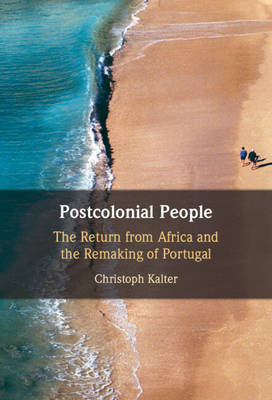
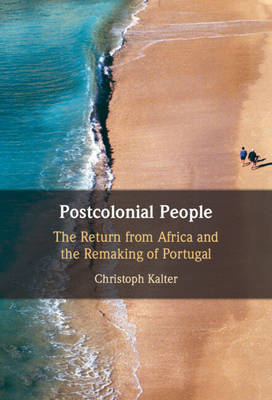
Postcolonial People
The Return from Africa and the Remaking of Portugal
Christoph Kalter
Hardcover | Engels
€ 183,45
+ 366 punten
Omschrijving
Having built much of their wealth, power, and identities on imperial expansion, how did the Portuguese and, by extension, Europeans deal with the end of empire? Postcolonial People explores the processes and consequences of decolonization through the histories of over half a million Portuguese settlers who 'returned' following the 1974 Carnation Revolution from Angola, Mozambique, and other parts of Portugal's crumbling empire to their country of origin and citizenship, itself undergoing significant upheaval. Looking comprehensively at the returnees' history and memory for the first time, this book contributes to debates about colonial racism and its afterlives. It studies migration, 'refugeeness, ' and integration to expose an apparent paradox: The end of empire and the return migrations it triggered belong to a global history of the twentieth century and are shaped by transnational dynamics. However, they have done nothing to dethrone the primacy of the nation-state. If anything, they have reinforced it.
Specificaties
Betrokkenen
- Auteur(s):
- Uitgeverij:
Inhoud
- Aantal bladzijden:
- 380
- Taal:
- Engels
Eigenschappen
- Productcode (EAN):
- 9781108837699
- Verschijningsdatum:
- 26/05/2022
- Uitvoering:
- Hardcover
- Formaat:
- Genaaid
- Afmetingen:
- 152 mm x 229 mm
- Gewicht:
- 675 g


Alleen bij Standaard Boekhandel
+ 366 punten op je klantenkaart van Standaard Boekhandel

Beoordelingen
We publiceren alleen reviews die voldoen aan de voorwaarden voor reviews. Bekijk onze voorwaarden voor reviews.