


- Afhalen na 1 uur in een winkel met voorraad
- Gratis thuislevering in België vanaf € 30
- Ruim aanbod met 7 miljoen producten
- Afhalen na 1 uur in een winkel met voorraad
- Gratis thuislevering in België vanaf € 30
- Ruim aanbod met 7 miljoen producten





€ 48,95
+ 97 punten
Uitvoering
Omschrijving
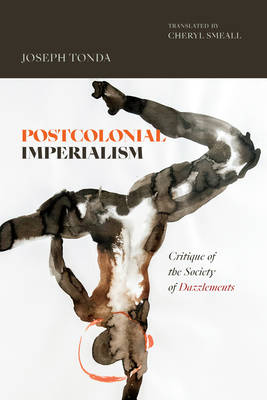
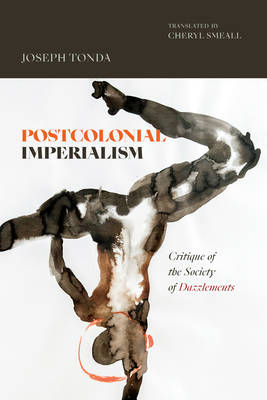
Postcolonial Imperialism considers the inability to distinguish between reality and fiction as a key condition of contemporary life. If postcolonial theory has highlighted how white colonizers created images of racialized Others which project their own self-hatred or disavowal, Joseph Tonda here shows how these images have in turn colonized Western imaginaries. He argues that the Global North's obsession with its own phantoms takes a newly powerful form in the dazzling images of postcolonial screens. With examples ranging from Nicki Minaj to Osama Bin Laden and child soldier Johnny Mad Dog, Tonda reflects on power by analyzing the dazzlements of both Central Africa and the West, showing how African life prefigures Western experiences. Translated from its original French, Postcolonial Imperialism is a prescient critique of authoritarian attempts to enforce alternate realities, and of the many ways screens can distort our vision.
Specificaties
Betrokkenen
- Auteur(s):
- Vertaler(s):
- Uitgeverij:
Inhoud
- Aantal bladzijden:
- 250
- Taal:
- Engels
- Reeks:
Eigenschappen
- Productcode (EAN):
- 9781478038580
- Verschijningsdatum:
- 21/04/2026
- Uitvoering:
- Paperback
- Formaat:
- Trade paperback (VS)
- Afmetingen:
- 152 mm x 229 mm
- Gewicht:
- 340 g


Alleen bij Standaard Boekhandel
+ 97 punten op je klantenkaart van Standaard Boekhandel
Cadeau

AANGERADEN


Beoordelingen
We publiceren alleen reviews die voldoen aan de voorwaarden voor reviews. Bekijk onze voorwaarden voor reviews.