


- Afhalen na 1 uur in een winkel met voorraad
- Gratis thuislevering in België vanaf € 30
- Ruim aanbod met 7 miljoen producten
- Afhalen na 1 uur in een winkel met voorraad
- Gratis thuislevering in België vanaf € 30
- Ruim aanbod met 7 miljoen producten




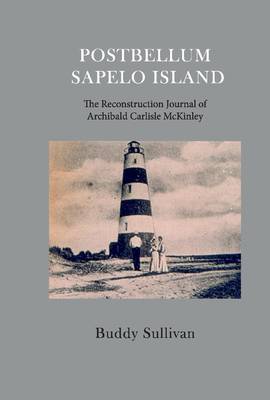
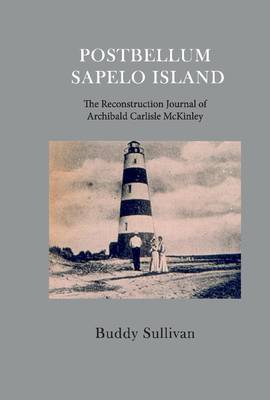
Postbellum Sapelo Island
The Reconstruction Journal of Archibald Carlyle McKinley
Buddy Sullivan
Hardcover | Engels
€ 43,45
+ 86 punten
Omschrijving
The story of Sapelo Island, Georgia, is a compelling story that holds an endless fascination for many people, whether they be serious historians, occasional visitors, or local residents. This book is a review of one segment of Sapelo's history that is in many respects its most interesting--that of a span of fifty years from 1865 to 1915. It is a very personal story as well, as told through the first-hand account contained within of a Sapelo resident, Archibald Carlisle McKinley, who lived on the island for most of that half-century. McKinley's daily journal kept from 1869 to 1877, with accompanying subsequent accounts by he, and members of his family, tell the story with the immediacy of the moment, providing the kind of personal perspective that is difficult, if not impossible, to obtain through the research done in other, less personal, sources.
The centerpiece of this book is McKinley's Reconstruction era journal, with explanatory notes to identify persons, places and events mentioned in the journal. Also in the book is an introductory chapter on Reconstruction Sapelo that is three-fold: an overview of the formerly enslaved people of Sapelo who returned after the Civil War as freed people and developed communities and self-reliance; a review of the Spaldings, McKinleys, and allied families who resided on the island after the war; and the story of McKinley himself, how his journal was written, and then was faithfully held by his descendants long after his death in 1917.
The centerpiece of this book is McKinley's Reconstruction era journal, with explanatory notes to identify persons, places and events mentioned in the journal. Also in the book is an introductory chapter on Reconstruction Sapelo that is three-fold: an overview of the formerly enslaved people of Sapelo who returned after the Civil War as freed people and developed communities and self-reliance; a review of the Spaldings, McKinleys, and allied families who resided on the island after the war; and the story of McKinley himself, how his journal was written, and then was faithfully held by his descendants long after his death in 1917.
Specificaties
Betrokkenen
- Auteur(s):
- Uitgeverij:
Inhoud
- Aantal bladzijden:
- 338
- Taal:
- Engels
Eigenschappen
- Productcode (EAN):
- 9781098309688
- Verschijningsdatum:
- 18/05/2020
- Uitvoering:
- Hardcover
- Formaat:
- Genaaid
- Afmetingen:
- 157 mm x 231 mm
- Gewicht:
- 657 g


Alleen bij Standaard Boekhandel
+ 86 punten op je klantenkaart van Standaard Boekhandel
AANGERADEN


Beoordelingen
We publiceren alleen reviews die voldoen aan de voorwaarden voor reviews. Bekijk onze voorwaarden voor reviews.