


- Afhalen na 1 uur in een winkel met voorraad
- Gratis thuislevering in België vanaf € 30
- Ruim aanbod met 7 miljoen producten
- Afhalen na 1 uur in een winkel met voorraad
- Gratis thuislevering in België vanaf € 30
- Ruim aanbod met 7 miljoen producten





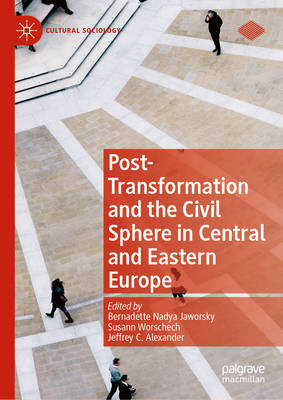
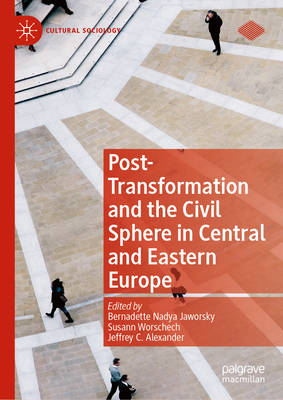
Post-Transformation and the Civil Sphere in Central and Eastern Europe
€ 162,45
+ 324 punten
Omschrijving
This book provides a unique look into the civil spaces of post-transformation societies in Central and Eastern Europe. It investigates the dynamics of civil spheres in a region characterized by overcoming dictatorship and experiencing transitions and tremendous social change. Empirically, the book provides ten case studies that analyze the often ambivalent processes of polarization and democratic backsliding, memory culture and the role of emotions, as well as new forms of democratic resilience that have emerged in the region. The book utilizes civil sphere theory and introduces the concept of post-transformation as the central parameter of complex social and political developments in Central and Eastern Europe. In combining these theories, the book illuminates the tensions between institutionalization and informality, trust, mistrust, and the evolution of a "we-ness" and abstract solidarity, and thereby, explores how democratic "software" is programmed against the backdrop of different socialist and post-socialist legacies.
Specificaties
Betrokkenen
- Uitgeverij:
Inhoud
- Aantal bladzijden:
- 377
- Taal:
- Engels
- Reeks:
Eigenschappen
- Productcode (EAN):
- 9783032265180
- Verschijningsdatum:
- 8/08/2026
- Uitvoering:
- Hardcover
- Formaat:
- Genaaid
- Afmetingen:
- 148 mm x 210 mm

Alleen bij Standaard Boekhandel
+ 324 punten op je klantenkaart van Standaard Boekhandel
Cadeau

AANGERADEN


Beoordelingen
We publiceren alleen reviews die voldoen aan de voorwaarden voor reviews. Bekijk onze voorwaarden voor reviews.