


- Afhalen na 1 uur in een winkel met voorraad
- Gratis thuislevering in België vanaf € 30
- Ruim aanbod met 7 miljoen producten
- Afhalen na 1 uur in een winkel met voorraad
- Gratis thuislevering in België vanaf € 30
- Ruim aanbod met 7 miljoen producten





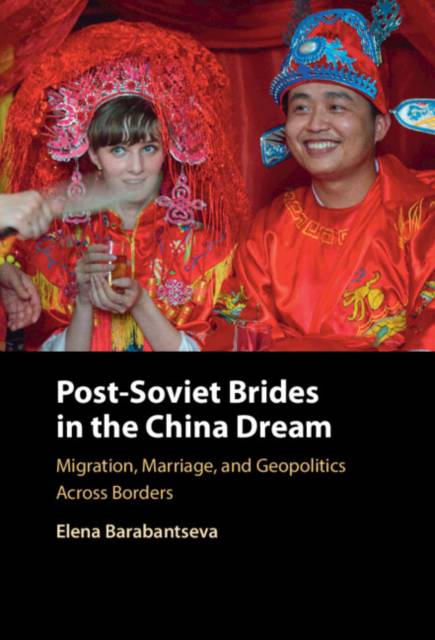
Post-Soviet Brides in the China Dream
Migration, Marriage, and Geopolitics Across Borders
Elena Barabantseva
Hardcover | Engels
€ 187,45
+ 374 punten
Omschrijving
This is the first interdisciplinary work on marriage migration from the former Soviet Union to Reform-era China, almost invariably involving a Slavic bride and a Chinese husband. To understand China better as a destination for marriage migration, Elena Barabantseva delves into the politics and lived experiences of desire, marriage and race, all within China's pursuit of national rejuvenation. She brings together diverse sources, including immigration policies, migration patterns, TV portrayals, life stories, and digital ethnography, to present an embodied analysis of intimate geopolitics. Barabantseva argues that this particularly gendered and racialised model of international marriage is revealing of China's relations within the global world order, in which white femininity embodies the perceived success of Chinese masculinity and nationhood. This title is also available as open access on Cambridge Core.
Specificaties
Betrokkenen
- Auteur(s):
- Uitgeverij:
Inhoud
- Aantal bladzijden:
- 244
- Taal:
- Engels
Eigenschappen
- Productcode (EAN):
- 9781009600170
- Verschijningsdatum:
- 2/04/2026
- Uitvoering:
- Hardcover
- Formaat:
- Genaaid
- Afmetingen:
- 152 mm x 229 mm
- Gewicht:
- 498 g


Alleen bij Standaard Boekhandel
+ 374 punten op je klantenkaart van Standaard Boekhandel
Cadeau

AANGERADEN


Beoordelingen
We publiceren alleen reviews die voldoen aan de voorwaarden voor reviews. Bekijk onze voorwaarden voor reviews.