


- Afhalen na 1 uur in een winkel met voorraad
- Gratis thuislevering in België vanaf € 30
- Ruim aanbod met 7 miljoen producten
- Afhalen na 1 uur in een winkel met voorraad
- Gratis thuislevering in België vanaf € 30
- Ruim aanbod met 7 miljoen producten





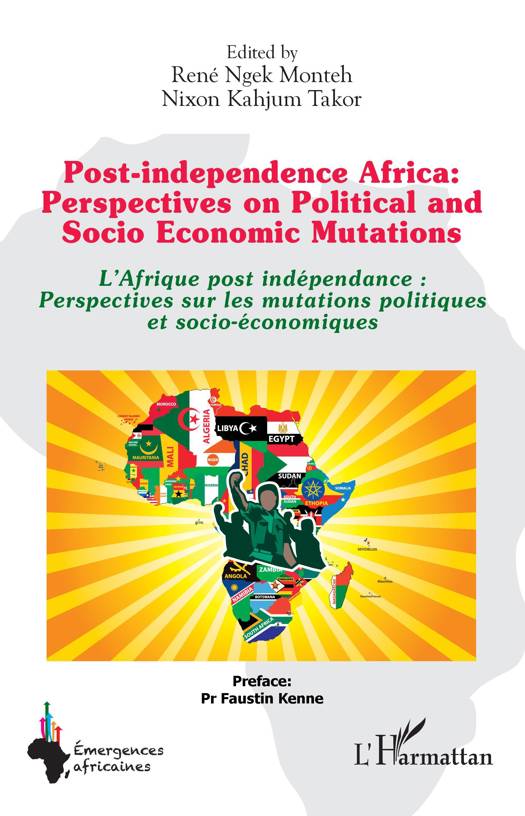
Post-independence Africa: Perspectives on Political and Socio Economic Mutations
René Ngek Monteh, Nixon Kahjum Takor
Paperback | Engels
€ 33,00
+ 66 punten
Uitvoering
Omschrijving
The colonial period and post-independence era are two exciting historical pegs with shared and diametrically opposed narratives on the people and continent of Africa. They are two periods with leverages of continuities and discontinuities. While the colonial period for the most part left the African people as passive recipients of European socioeconomic and political values, colonialism at the same time created strands of resistance that manifested variously as nationalism. The outcome of the nationalist effervescence was the 'termination' of the colonial enterprise and the appropriation of political independence. The independence of most African states was accompanied by a craving to indigenize the political institutions and to orient development along African paradigms. This scholarly compendium of 15 chapters integrates different narratives on the state, stakes, and prospects of the African continent in responding to dynamic socio-economic and political exigencies.
Specificaties
Betrokkenen
- Auteur(s):
- Uitgeverij:
Inhoud
- Aantal bladzijden:
- 310
- Taal:
- Engels
- Geïllustreerd:
- Ja
Eigenschappen
- Productcode (EAN):
- 9782140489693
- Verschijningsdatum:
- 20/07/2023
- Uitvoering:
- Paperback
- Afmetingen:
- 155 mm x 240 mm
- Gewicht:
- 468 g


Alleen bij Standaard Boekhandel
+ 66 punten op je klantenkaart van Standaard Boekhandel
Cadeau

AANGERADEN


Beoordelingen
We publiceren alleen reviews die voldoen aan de voorwaarden voor reviews. Bekijk onze voorwaarden voor reviews.